Chaenactis stevioides
Chaenactis stevioides
Description
Chaenactis stevioides is an annual herbaceous plant classified within the Asteraceae family. This species is highly specialized for survival in harsh environments, making it a subject of interest for research into arid-land botany and specialized ornamental horticulture.
The plant originates from the arid regions of western North America, specifically thriving in desert and semi-desert habitats of the United States and Mexico. Its natural distribution is restricted to open, sun-exposed areas where it has evolved to utilize seasonal moisture efficiently.
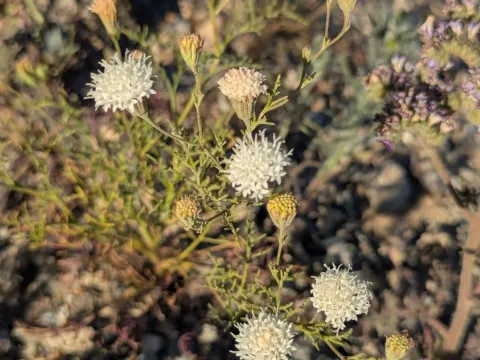
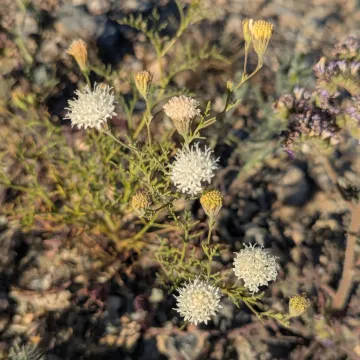
Botanically, it is characterized by finely dissected, often woolly foliage and small, white-to-pink flower heads borne on erect stems. These structural adaptations help the plant minimize water loss through transpiration while maximizing reproductive success during its short growing season.
The agronomic requirements for this species are specific: it demands well-drained, sandy or rocky soils and full sun exposure. It is highly intolerant of waterlogged conditions or high humidity, which can lead to rapid decline. Supplemental irrigation should be kept to an absolute minimum.
The primary economic and horticultural use of this plant is in xeriscaping and the restoration of degraded arid lands. While generally resilient to pests, growers should monitor for common issues such as root rot caused by poor soil drainage and potential infestation by aphids or mites during the active growth phase.
Photo gallery