Azorean chervil
Chaerophyllum azoricum
Description
Azorean chervil (Chaerophyllum azoricum) is a distinctive plant species belonging to the Apiaceae (parsley) family. It is a rare botanical endemic primarily found on the Azores archipelago. Due to its specific ecological requirements, it is rarely cultivated on a large industrial scale, yet it remains a subject of scientific and horticultural interest.
The plant originates from the unique maritime environment of the Azores, where it thrives in mild, humid conditions. Its natural habitat includes sheltered areas where moisture levels remain consistently high throughout the seasons. This evolutionary background dictates that it performs best in environments that mimic these specific oceanic conditions, avoiding extreme heat or dry air.
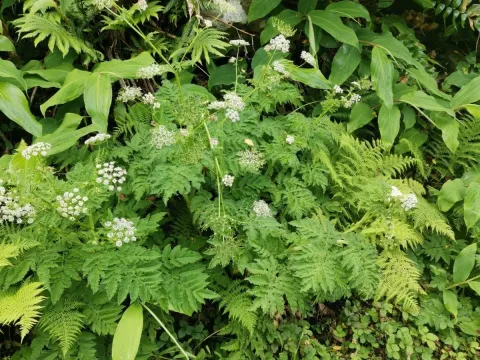
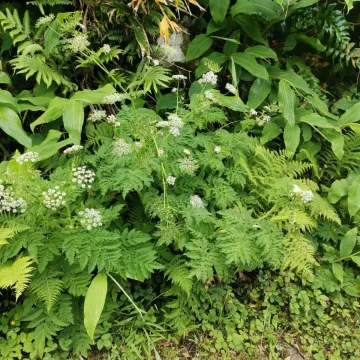
Morphologically, Azorean chervil displays pinnate, finely divided leaves and furrowed stems typical of the Chaerophyllum genus. During its reproductive phase, it produces compound umbels with small white flowers. The root system is relatively robust, enabling the plant to establish itself in various soil types, ranging from volcanic-influenced substrates to fertile, loamy soils.
Agronomic requirements for this crop include well-drained, nutrient-rich soils with a neutral pH. Consistent irrigation is vital for the plant's growth, as it lacks significant drought tolerance. For optimal results, it is recommended to grow it in areas with cool summers and mild winters, as excessive heat stress can inhibit vegetative development and lead to premature flowering.
- Economic utility: aromatic herb for culinary applications.
- Disease management: focus on preventing fungal rots via air circulation.
- Pest control: routine inspection for aphids and leaf-miners.
In terms of хозяйственное (economic) use, the plant is valued for its aromatic properties. Pest management remains critical, as the plant is susceptible to common Apiaceae pests like aphids and various fungal pathogens. Implementation of proper spacing and ensuring adequate soil drainage are the most effective strategies to prevent disease outbreaks and ensure a productive harvest.
Photo gallery