Villars' chervil
Chaerophyllum villarsii
Description
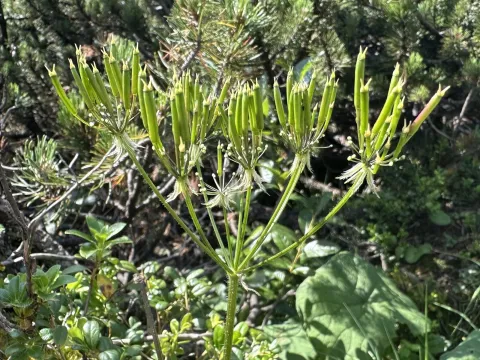
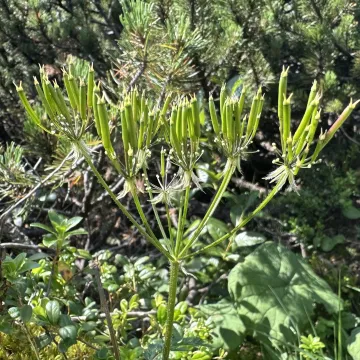
Villars' chervil (Chaerophyllum villarsii) is a perennial herbaceous plant belonging to the Apiaceae family. While primarily known for its presence in European mountain habitats, it is increasingly studied as a specialized agricultural crop. This plant is valued for its hardiness, early growth cycle, and significant biomass production potential in diverse environmental conditions.
Originating from the central and southern European highlands, the species has adapted to various soil types, preferring deep, humus-rich, and moist conditions. In cultivation, it thrives best in temperate climates with well-drained soils. Its ability to tolerate partial shade makes it a versatile candidate for integrated cropping systems in regions where traditional forage crops might struggle.
Botanically, Chaerophyllum villarsii is characterized by a robust taproot system and a branched stem covered with fine, bristly hairs. Its foliage is highly divided and feathery, contributing to high photosynthetic efficiency. The flowers are arranged in typical compound umbels, producing large quantities of seeds that require specific cold stratification for optimal germination in the following season.
Agronomic management of this crop involves careful soil preparation, ensuring a pH range between neutral and slightly alkaline. Fertilizer applications should focus on balanced NPK levels, with an emphasis on phosphorus to support root establishment. Consistent soil moisture is critical during the seedling stage, while later growth stages demonstrate a degree of drought tolerance once the taproot is fully developed.
The economic value of Villars' chervil lies in its potential as a forage crop and its chemical composition, which includes various secondary metabolites of interest for the pharmaceutical industry. Management against common pests like aphids and diseases such as powdery mildew is essential for maintaining high yields. Proper field sanitation and crop rotation are the primary preventive measures against fungal outbreaks.
- Excellent cold tolerance and winter hardiness.
- Potential as a protein-rich forage source.
- Deep rooting contributes to soil structure improvement.
- Requires precise timing for seed harvesting.
Photo gallery