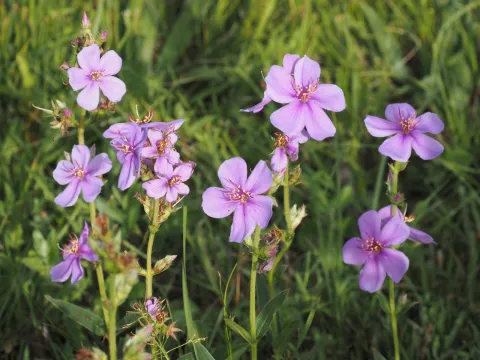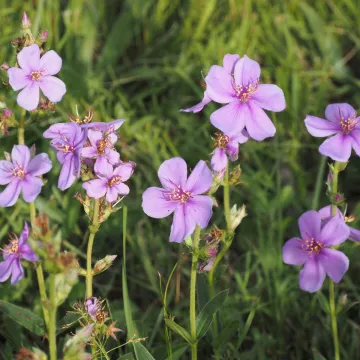

Chaetogastra gracilis
Chaetogastra gracilis
Description
Chaetogastra gracilis is an ornamental plant belonging to the Melastomataceae family, often synonymized with the genus Tibouchina. This species is highly valued in horticulture for its vibrant, purple-hued flowers and distinctive foliage. As a tropical ornamental, it is increasingly popular among commercial growers who specialize in exotic greenhouse crops.
The plant originates from the tropical regions of South America, primarily Brazil. In its native habitat, it thrives in environments characterized by high humidity, consistent warmth, and partial to full sunlight. Modern cultivation practices have adapted its growth to controlled greenhouse environments, allowing it to be grown successfully in various temperate climates as a seasonal or greenhouse crop.
Botanically, Chaetogastra gracilis is recognized by its slender, pubescent stems and leaves that exhibit the characteristic venation of the Melastomataceae family. The flowers are terminal, often appearing in clusters, and feature prominent stamens that add to their aesthetic appeal. The root system is relatively shallow and requires a porous, aerated medium to thrive without sustaining water damage.
Agronomic requirements for this species involve maintaining a specific climate profile: temperatures ranging from 20°C to 28°C and moderate to high humidity. The soil must be well-drained and slightly acidic. Fertilization should be balanced, with a focus on micronutrients to prevent chlorosis, which is a common issue in this family when soil pH levels drift above neutral.
The economic importance of the plant is centered on the decorative industry. Its primary uses include:
- Production of container-grown plants for retail.
- Use in professional interior landscaping and conservatories.
- Development of improved cultivars for long-lasting blooms.
- Niche floricultural sales in warm-climate markets.
Pest management is a critical component of the cultivation cycle. Typical threats include spider mites, whiteflies, and scale insects, which proliferate in warm, indoor environments. Diseases are primarily related to fungal pathogens caused by excessive moisture or poor air circulation. Implementing an Integrated Pest Management (IPM) program is essential to ensure healthy growth and marketable product quality.
Photo gallery