Chaetomorpha melagonium
Chaetomorpha melagonium
Description
Chaetomorpha melagonium is a species of multicellular marine green algae belonging to the Cladophoraceae family. Unlike many other filamentous algae, this species is characterized by a rigid thallus structure, making it a recognizable organism in coastal habitats. In the context of agriculture, it is viewed as a promising candidate for marine aquaculture, capable of rapid vegetative growth under controlled conditions.
This species has a wide distribution, covering cold and temperate waters of the Atlantic and Pacific Oceans, including Arctic regions. Its natural habitat contributes to the crop's high adaptability to low temperatures. In cultivation settings, the algae prefers stable areas of the seabed or artificial substrates where it can efficiently absorb nutrients from the water column.
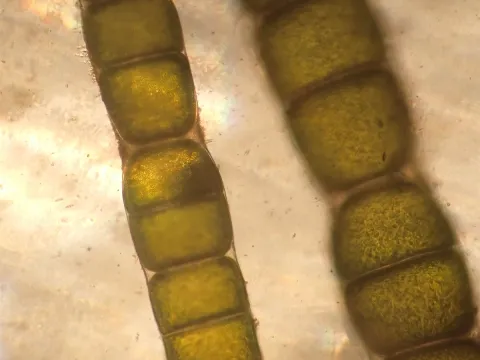
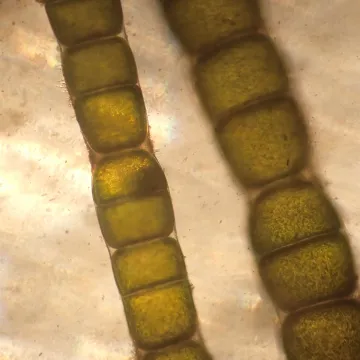
Botanically, the culture consists of unbranched filaments composed of large, visible cells. The color ranges from bright green to deep emerald. The rigidity of the filaments is due to the structure of the cell walls, distinguishing it from the softer and more fragile members of the Chaetomorpha genus. Reproduction in agrotechnical conditions occurs most frequently through fragmentation.
Key requirements for cultivation include strict control over lighting and water salinity. Although the algae is resilient, active biosynthesis requires flowing seawater with adequate levels of nitrogen and phosphorus. Optimal environmental parameters must exclude sudden temperature fluctuations, which is essential to prevent thallus bleaching and reduced growth rates during commercial production.
The economic use of Chaetomorpha melagonium spans several areas, including the production of feed additives for marine life and use in filtration systems for aquarium environments. Furthermore, the algae serves as a subject for biotechnological research focused on extracting specific polysaccharides. Primary risks in cultivation are associated with the development of epiphytic microalgae and bacterial infections that can compromise the integrity of the filaments.
Photo gallery