
Chamaecrista chamaecristoides
Chamaecrista chamaecristoides
Description
Chamaecrista chamaecristoides is a perennial herbaceous plant belonging to the legume family (Fabaceae). This species is scientifically recognized for its remarkable ability to thrive in demanding environmental conditions, particularly in coastal zones characterized by loose, sandy soils and intense solar radiation.
The plant originates from the tropical and subtropical regions of the Americas, specifically inhabiting coastal dunes in Mexico. It serves as an essential ecological component in its native habitat, effectively stabilizing shifting sands and contributing to the gradual development of more complex plant communities through soil enrichment.
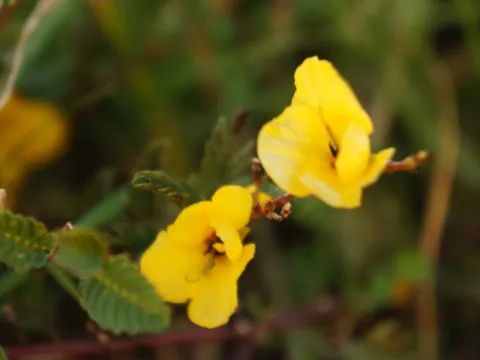
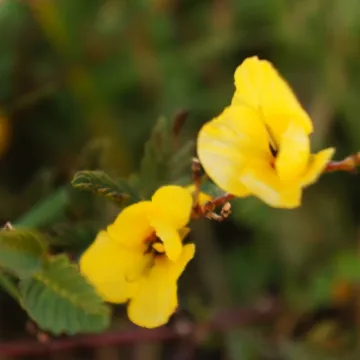
Botanically, the species is defined by its characteristic pinnate leaves and vibrant yellow zygomorphic flowers. Its root system is notably robust, allowing the plant to explore deep soil layers for water, which provides a significant competitive advantage in arid or semi-arid environments where water availability is highly inconsistent.
Agrotechnical management of this crop focuses on maintaining optimal drainage and light exposure. As a nitrogen-fixing legume, it requires minimal synthetic nitrogen application, as it establishes successful symbiotic relationships with soil bacteria. It performs best in well-aerated, sandy soils where competition from invasive weeds is actively managed during the early stages of establishment.
The primary agricultural and environmental applications for this species include:
- Erosion control in coastal and inland sandy environments.
- Use as a green manure crop to restore depleted agricultural soils.
- Stabilization of disturbed landscapes and ecological restoration projects.
- Biomass production for sustainable soil health management.
Regarding health management, the crop may be susceptible to fungal pathogens if grown in areas with poor airflow or excessive humidity. Agriculturalists should also monitor for seed-feeding insects, which are the most common pests. Maintaining good field hygiene and utilizing disease-resistant seed stocks are the best strategies to ensure long-term productivity.
Photo gallery