Hairy broom
Chamaecytisus ciliatus
Description
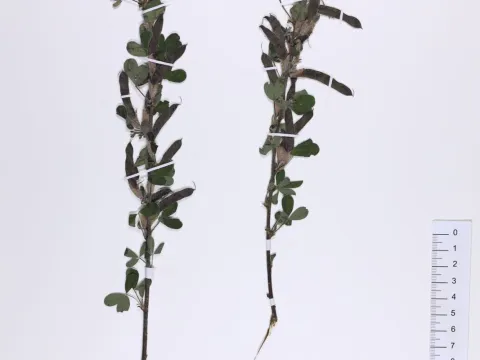
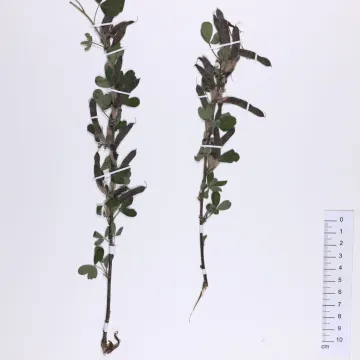
Hairy broom (lat. Chamaecytisus ciliatus) is a perennial shrub species belonging to the legume family (Fabaceae). Recognized for its delicate appearance and vibrant flowering, this plant is a popular choice for sustainable landscaping and dry garden environments due to its innate resilience and ability to thrive in varied environmental conditions.
Originating from Central and Southeastern Europe, this species is typically found in dry habitats, such as sunny hillsides, woodland margins, and rocky outcrops. Its natural distribution demonstrates an evolutionary adaptation to well-drained, nutrient-poor soils and high sunlight exposure, making it an excellent candidate for xeriscaping.
Botanically, the plant is characterized by its trifoliate leaves that feature distinct hair-like structures (cilia), which provide protection against drought stress. The shrub typically grows to a moderate height of one meter, producing dense clusters of yellow, pea-like flowers that bring aesthetic value to any landscape from late spring to early summer.
The agrotechnical requirements for growing Chamaecytisus ciliatus focus on substrate quality and water management. It prefers sandy or loamy, slightly acidic to neutral soils. Gardeners must ensure excellent drainage as the root system is highly sensitive to waterlogging. Regular pruning after flowering is essential to maintain a bushy structure and prevent the plant from becoming leggy.
- Requires full sun to partial shade for optimal growth.
- Demonstrates strong drought tolerance once established.
- Benefits from occasional fertilization with low-nitrogen mixes.
- Generally resistant to major agricultural pests and diseases.
Economically and practically, this shrub serves as an effective ground cover for erosion control on slopes and an attractive ornamental element in rock gardens. Its ability to fix atmospheric nitrogen contributes to soil health, offering long-term benefits to surrounding vegetation and overall soil structure in cultivated areas.
Photo gallery