
Leatherleaf
Chamaedaphne calyculata
Description
Leatherleaf (Chamaedaphne calyculata) is an evergreen shrub belonging to the Ericaceae family. It is the sole species within its genus, widely recognized for its winter-hardy nature and distinctive aesthetic appeal. In horticulture, it is highly valued for its ability to thrive in environments where many other plants fail to survive.
Native to cold and temperate regions of the Northern Hemisphere, its range spans across North America, Europe, and Asia. It is naturally adapted to wetlands, peat bogs, and marshes. Because of this evolutionary background, the plant has developed a unique root system that excels at nutrient absorption in highly acidic, waterlogged substrates.
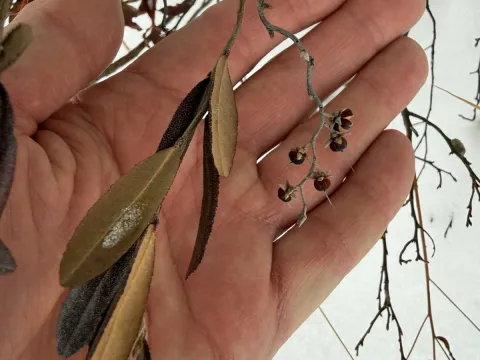
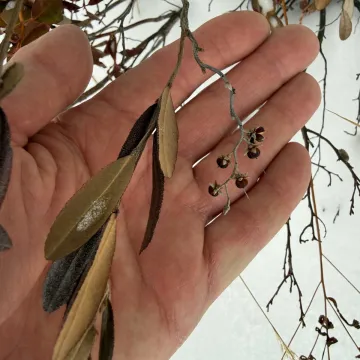
Botanically, Leatherleaf features alternate, leathery, elliptic leaves that remain on the shrub throughout the year. The plant typically grows between 30 and 150 centimeters tall. In spring, it produces clusters of small, white, bell-shaped flowers that dangle gracefully from the previous year's shoots, creating a striking contrast against the dark foliage.
Agricultural and gardening success with this plant depends entirely on soil management. It requires soil with an extremely low pH (between 3.5 and 5.0), such as raw peat moss mixed with pine bark. Irrigation must be consistent, as the plant cannot tolerate drying out; however, it also requires good drainage to ensure root health. Mulching is essential to keep the root zone cool and acidic.
In landscaping, Leatherleaf is used for bog gardens, edge plantings, and specialized ericaceous borders. While generally robust, it can be susceptible to typical heath-family pests such as mites or scale insects if stressed. Maintaining proper humidity and using slow-release fertilizers designed for acid-loving plants will prevent most fungal issues like leaf spot and root rot.
Photo gallery