Brown chamomile
Chamaemelum fuscatum
Description
Brown chamomile (Chamaemelum fuscatum) is a herbaceous plant belonging to the Asteraceae family. Known for its distinct appearance and resilience, this species occupies a specific niche in botany and is increasingly recognized for its potential in small-scale medicinal herb production and ornamental landscaping.
Native to the Mediterranean basin, this plant is naturally distributed across Southern Europe and North Africa. It thrives in open, sunny habitats and is typically found in well-drained sandy or rocky soils. Its evolution in these arid to semi-arid regions has made it a hardy candidate for low-input agricultural systems that prioritize water conservation.
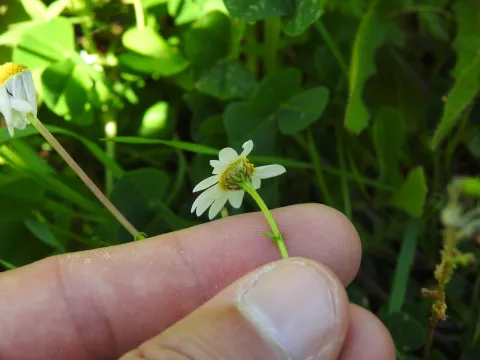
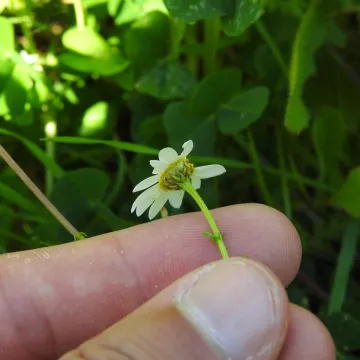
Botanically, Chamaemelum fuscatum is characterized by its feathery, deeply divided foliage and unique floral heads. Unlike the common chamomile, the central disc florets of this species are distinctively dark or brownish, which provides a striking visual contrast to the white ray florets. The plant typically reaches maturity within one growing season, forming a compact, branched structure.
Agronomic management of brown chamomile requires careful attention to soil drainage. The plant prefers light, neutral to slightly alkaline soils and is highly susceptible to root rot if waterlogged. Growers should aim for sites with full sunlight exposure to ensure optimal development. While relatively pest-resistant, the crop can be occasionally threatened by aphids or fungal pathogens during humid, stagnant air conditions.
Economically, the plant is valued for its chemical composition, which includes various active compounds utilized in pharmaceutical research. It is also grown as an ornamental plant due to its unique aesthetics and ability to withstand neglect in garden settings. Proper harvesting at the peak of the flowering stage is essential for maintaining the concentration of beneficial phytochemicals.
- Excellent drought tolerance once established.
- Requires well-drained, porous soil structures.
- Thrives in full sun conditions.
- Minimal fertilization requirements compared to leafy greens.
Photo gallery