Chamissoa altissima
Chamissoa altissima
Description
Chamissoa altissima is a significant member of the Amaranthaceae family, known for its robust growth habit and versatility as a tropical plant. Often found in various habitats, it serves as a botanical subject of interest for both researchers and agricultural practitioners looking for high-biomass yielding species.
The plant is native to the tropical regions of the Americas, spanning from Mexico through Central America and deep into the South American continent. Its natural distribution suggests a preference for environments with high humidity and consistent warmth, making it a staple of tropical agricultural landscapes.
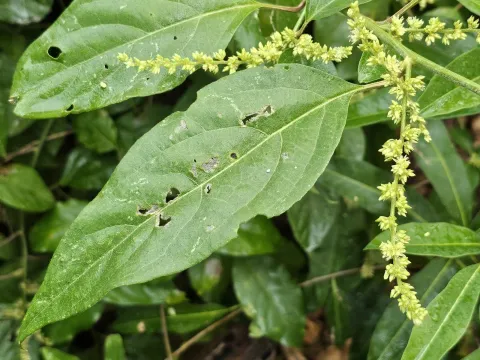
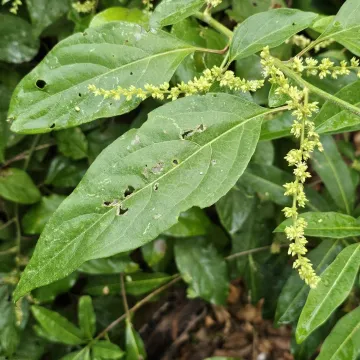
Botanically, Chamissoa altissima exhibits a climbing or erect growth pattern depending on local competition and space. Its foliage is lush, with leaves varying in shape and size, which contribute to its effectiveness in soil coverage. The small flowers are grouped in persistent inflorescences that facilitate efficient pollination and seed dispersal.
Agronomic requirements include well-drained, nutrient-rich soils that allow for rapid root expansion. The crop thrives in full sun but tolerates partial shade in high-heat zones. Effective management involves consistent hydration and regular nitrogen application to support the rapid vegetative cycles characteristic of this species.
хозяйственные usage focuses on its utility as a high-quality forage crop and a source of leafy greens in local diets. It is valued for its rapid biomass turnover, making it a candidate for sustainable farming practices. Monitoring for common pests like aphids and leaf miners is essential, as is managing fungal pathogens that can occur during the wet season.
- Adaptable to diverse tropical soil types
- Potential for high forage yield
- High nutritional content in vegetative parts
- Rapid recovery after harvest cycles
Photo gallery