
Chanterelle
Cantharellus cibarius Fr.
Description
The Chanterelle (Cantharellus cibarius Fr.) is a highly prized edible fungus belonging to the Cantharellaceae family. As a mycorrhizal organism, it forms a vital symbiotic relationship with the root systems of various tree species. This dependency on host trees makes the commercial large-scale cultivation of chanterelles extremely difficult compared to saprotrophic mushrooms like Agaricus.
The natural distribution of this species spans across the temperate regions of Europe, North America, and Asia. Chanterelles thrive in moist, acidic forest soils, typically found under canopy cover where humidity remains consistent. They are most frequently associated with spruce, pine, oak, and beech forests, where the mycelium can effectively exchange nutrients with the tree roots.
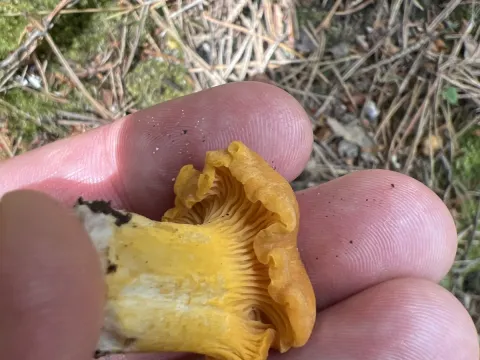
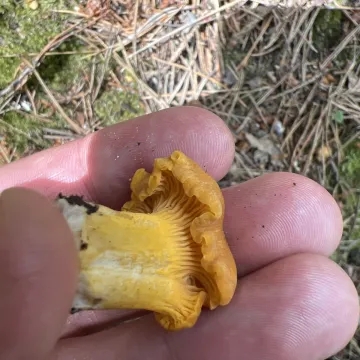
Botanically, the chanterelle is recognized by its funnel-shaped, vibrant yellow to orange fruiting body. A key distinguishing feature is the presence of decurrent gill-like folds, known as "false gills," which are essentially thickened ridges rather than the true, thin lamellae found in other mushroom species. The flesh is firm and possesses a distinct, slightly peppery or fruity aroma.
Cultivation requirements for chanterelles are not well-defined in an agricultural sense, as they are not easily domesticated. Successful "harvesting" relies on maintaining forest health, preventing soil compaction, and ensuring that the symbiotic trees are preserved. There is no traditional "agrotechnology" for these fungi, as they require the complex subterranean network of a mature forest ecosystem.
- High content of Vitamin D and B-complex vitamins.
- Resistance to rot and insect infestation due to chitinase production.
- Culinary versatility in gourmet cooking and food processing.
The economic significance of the chanterelle is primarily centered on wild harvesting and the export of gourmet forest products. They are widely used in international cuisine due to their unique texture and ability to maintain structural integrity during cooking. Proper post-harvest handling is critical to preserve their delicate flavor and nutritional quality.
Photo gallery