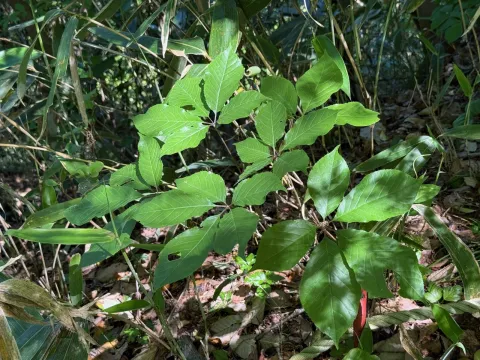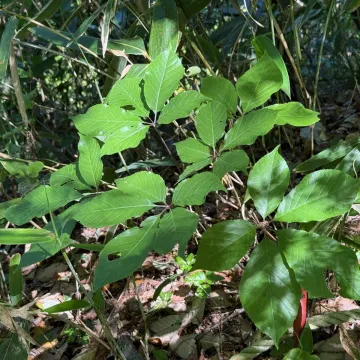
Chengiopanax sciadophylloides
Chengiopanax sciadophylloides
Description
Chengiopanax sciadophylloides is a distinctive deciduous tree species belonging to the Araliaceae family. Formerly placed in genera such as Kalopanax or Acanthopanax, this species represents an interesting botanical example of adaptation within East Asian temperate forests, specifically native to the islands of Japan.
The origin of this culture is deeply rooted in high-altitude forest ecosystems. It thrives in regions characterized by distinct seasonal changes, where the soil moisture is consistently available and the environmental conditions mimic the temperate climate of the Asian mountain belts.
Botanically, the tree is recognized for its large, palmate leaves and a structured, open canopy. As the tree matures, it displays an interesting bark texture and produces clusters of small flowers, which are followed by dark, berry-like fruits that serve as a source of food for local avian populations during the late autumn months.
Agricultural requirements include well-drained, slightly acidic, and nutrient-rich soil. The plant demands a location that offers protection from harsh, drying winds and excessive midday sun in its early stages of development. Regular hydration and careful site selection are essential for establishing a robust root system during the plant's juvenile years.
In terms of хозяйственное usage, Chengiopanax sciadophylloides is primarily valued as an ornamental specimen in landscaping and arboretums. Its aesthetic value, particularly during the autumn foliage transition, makes it a popular choice for designers looking to introduce East Asian botanical elements into temperate garden settings.
Common issues encountered during cultivation include:
- Susceptibility to root rot if soil drainage is insufficient
- Occasional infestation by aphids or scale insects on young foliage
- Sensitivity to cold snaps that occur during late spring
- Risk of chlorosis in soils with an excessively high pH or limestone content
Photo gallery