Golden goosefoot
Chenopodium auricomum
Description
Golden goosefoot (Chenopodium auricomum) is a herbaceous plant belonging to the Amaranthaceae family. As a relative of quinoa and other popular pseudocereals, it has gained attention for its robust nature and adaptability to challenging environmental conditions that limit the production of traditional food crops.
The native range of Chenopodium auricomum is primarily in Australia, where it naturally colonizes riparian zones and salt-affected lands. Its evolutionary history in arid climates has equipped the plant with superior water-use efficiency and the ability to tolerate high soil salinity, making it a subject of increasing interest for sustainable farming initiatives.
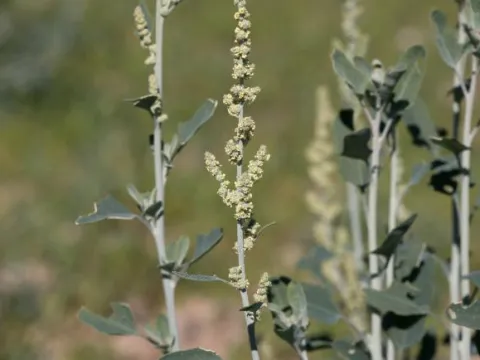
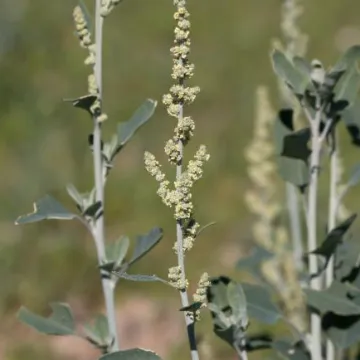
The plant exhibits significant morphological diversity, typically forming a sturdy bush with leaves coated in a characteristic powdery meal. This white or yellow-tinged powder helps the plant reflect sunlight and reduce transpiration. The inflorescences are dense panicles that produce copious amounts of small, nutrient-dense seeds suitable for human and animal consumption.
Cultivation requirements for this species are relatively modest compared to commercial cereals. It thrives in well-drained, slightly alkaline soils and shows remarkable resistance to heat stress. Planting should be timed to avoid frost, as the crop prefers stable, warm temperatures during its primary vegetative growth phase. Irrigation should be managed carefully to avoid waterlogging the root system.
The economic potential of golden goosefoot is categorized into several key areas:
- High-protein seed production for functional foods and gluten-free diets.
- Nutritional green fodder for livestock, especially in drought-prone regions.
- Use as a cover crop for soil remediation and saline land reclamation.
Like many species in the Chenopodium genus, it may be susceptible to pests such as aphids and leaf-eating beetles, especially during the seedling stage. Disease management focuses on preventing fungal pathogens by maintaining adequate air circulation and avoiding excessively humid microclimates, which can trigger leaf spot or root rot issues.
Photo gallery