Chenopodium cordobense
Chenopodium cordobense
Description
Chenopodium cordobense is an annual herbaceous plant belonging to the Amaranthaceae family, specifically within the Chenopodioideae subfamily. Once classified under the Chenopodiaceae family, it remains a close relative of prominent species like quinoa and common lambsquarters. This plant is increasingly recognized for its resilience and adaptability in agricultural contexts where water scarcity is a significant limiting factor.
The native range of this species is located in South America, specifically in parts of Argentina, where it has evolved to thrive in arid and semi-arid environments. Its distribution is closely tied to mountainous and steppe ecosystems. Due to these evolutionary origins, the plant possesses natural defense mechanisms against heat stress and erratic rainfall, making it a promising candidate for cultivation in similar climatic zones globally.
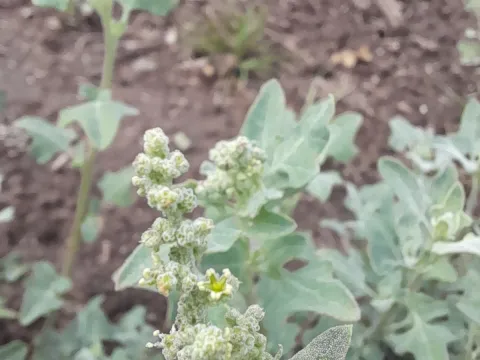
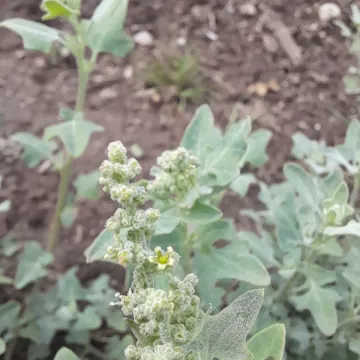
Botanically, Chenopodium cordobense is characterized by a sturdy, upright stem and foliage often covered with farinose (mealy) glandular hairs, which serve to reduce water loss. The plant develops a robust taproot system capable of extracting moisture from deep soil horizons. The inflorescences are dense panicles, producing small, nutrient-dense seeds that have garnered interest for their high protein content and essential amino acid profiles.
Regarding climate and soil requirements, the crop performs best in well-drained, neutral to slightly alkaline soils. It is particularly well-suited for regions with significant diurnal temperature fluctuations. The agronomic strategy for successful cultivation focuses on proper seedbed preparation and timely sowing after the last frost. Weed control in the early growth stages is essential, but as the canopy closes, the plant becomes highly competitive against spontaneous flora.
The primary agricultural use of Chenopodium cordobense involves both human consumption of its protein-rich seeds and utilization of the biomass as high-quality forage. While the plant is inherently resistant to many pests due to the presence of secondary metabolites like saponins, growers should monitor for potential fungal pathogens, such as downy mildew, especially during seasons with high humidity. Proper crop rotation and field sanitation remain the most effective management tools.
Photo gallery