Tree spinach
Chenopodium giganteum
Description
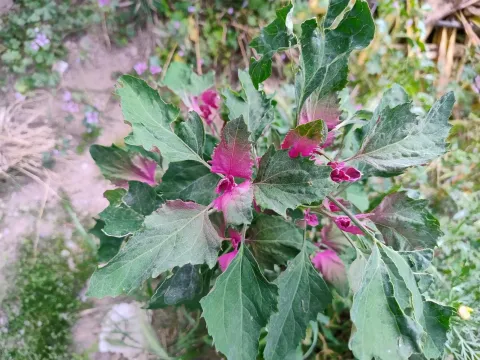
Tree spinach (Chenopodium giganteum) is a tall, annual plant belonging to the Amaranthaceae family. Widely recognized for its striking magenta-dusted young leaves, this plant serves both as an ornamental feature in garden beds and a highly nutritious leafy vegetable.
Originating from the Himalayan region and parts of India, this species has been introduced to various climates globally. As an agricultural crop, it is valued for its vigorous growth, often reaching heights of over two meters, and its ability to produce a significant yield of edible foliage throughout the growing season.
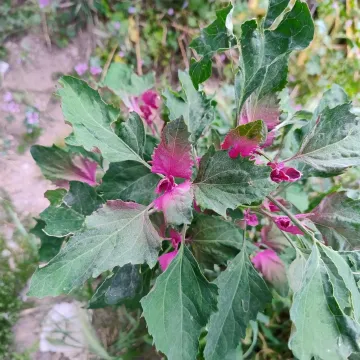
The botanical structure of the plant consists of large, alternate leaves that are triangular or rhombic in shape. The most distinctive trait is the bright purple, flour-like powder that coats the apical foliage, which provides a vivid visual appeal throughout the summer months.
For optimal growth, Chenopodium giganteum requires fertile, well-draining soil and a sunny location. It is relatively heat-tolerant and thrives in warm conditions. Agronomic management involves consistent watering and thinning seedlings to ensure adequate airflow, which is critical for preventing common fungal issues.
In terms of хозяйственное usage, it is primarily used as a culinary vegetable. The young leaves are harvested and prepared similarly to spinach, either raw in salads or cooked in various dishes. Beyond its kitchen use, the plant is frequently cultivated for landscaping purposes due to its impressive size and color.
Common issues encountered during cultivation include:
- Aphid infestations during hot and dry spells.
- Downy mildew if air circulation is insufficient.
- Root rot caused by poor soil drainage or waterlogging.
Photo gallery