
Stalked goosefoot
Chenopodium pedunculare
Description
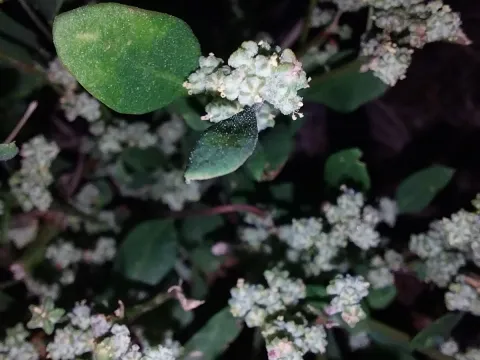
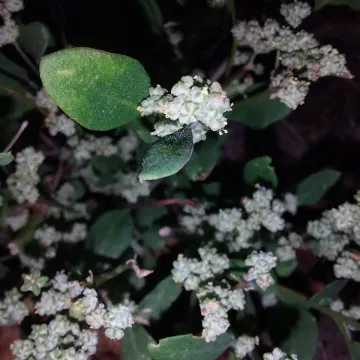
Stalked goosefoot (lat. Chenopodium pedunculare) is an annual herbaceous plant belonging to the Amaranthaceae family. While often associated with wild flora, this plant has significant potential as an agricultural crop due to its ability to thrive in diverse environments and its high nutritional profile, which makes it valuable for specialized farming systems.
The native distribution area of this species spans the temperate regions of Eurasia. It is well-adapted to habitats with variable soil salinity and can occupy open landscapes that are often unsuitable for conventional cereal crops. Current agricultural research aims to select and standardize varieties that can provide consistent yields under varying climate conditions.
The botanical structure of the plant is characterized by a sturdy, branched stem that supports a significant amount of foliage. The leaves often feature a mealy surface, an evolutionary trait that protects the plant from excessive water loss. This morphology enables the species to maintain its growth cycles during periods of moderate drought, provided the soil moisture is sufficient for root development.
Cultivation practices require proper site selection, favoring sunny locations with good drainage. The crop thrives in neutral pH soils but displays impressive tolerance to saline conditions. Sowing should be timed to coincide with the stabilization of spring temperatures, usually when the soil reaches at least 10 degrees Celsius. Regular inter-row cultivation is essential during the early stages to ensure the crop establishes dominance over opportunistic weeds.
- High protein content in leaf biomass.
- Superior drought and salt tolerance compared to staple crops.
- Seed oil potential for industrial applications.
- Suitability as a high-quality forage additive for poultry.
- Soil improvement capabilities through root structure.
Agricultural management must account for common pests such as leaf miners and aphids, which can compromise the quality of the foliage. Fungal infections, including powdery mildew, may occur if planting density is too high or if air circulation is inadequate. Implementing a balanced crop rotation and employing organic pest control measures remain the primary strategies for maintaining healthy, high-yielding fields.
Photo gallery