Polygonoid goosefoot
Chenopodium polygonoides
Description
Polygonoid goosefoot (Chenopodium polygonoides) is a herbaceous plant species within the Amaranthaceae family. It belongs to a genus of plants known for their high nutritional density and extreme resilience, sharing structural similarities with common wild goosefoot and pseudo-cereals like quinoa.
The origin of Chenopodium polygonoides is traced to the mountainous regions of South America, specifically high-altitude Andean ecosystems. The species has evolved to thrive in harsh, thin-air environments characterized by high UV exposure and significant thermal fluctuations throughout the day.
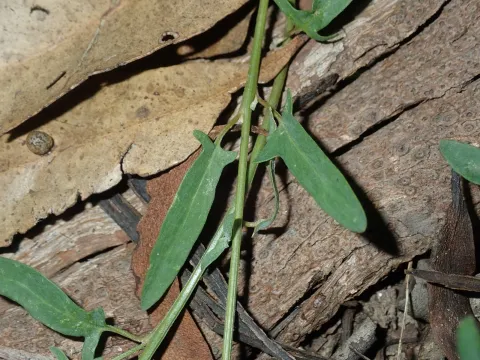
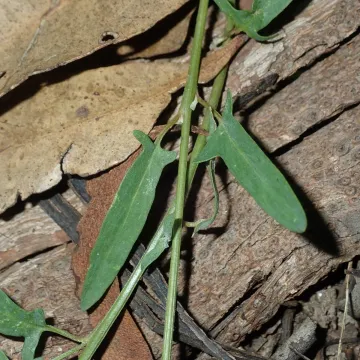
Botanically, this plant displays a branching habit with leaves shaped remarkably like Polygonum (knotweed). It typically reaches a modest height, forming dense mats or semi-erect clusters. The seeds are minuscule and rich in energy reserves, which are essential for survival in the nutrient-poor soils of its native habitat.
In terms of agronomy, the plant performs best in well-drained, sandy-loam soils with moderate fertility. Cultivation practices should focus on spacing to prevent light competition. It is relatively drought-tolerant but responds positively to consistent moisture during the seedling establishment phase.
Hostile biotic factors include typical pests of the Chenopodium genus, such as aphids and leaf miners, which can retard development. Pathogens like downy mildew may appear in poorly ventilated planting conditions. Management strategies often involve integrated pest control measures and crop rotation to maintain soil vitality and prevent the buildup of soil-borne diseases.
Photo gallery