Robert's goosefoot
Chenopodium robertianum
Description
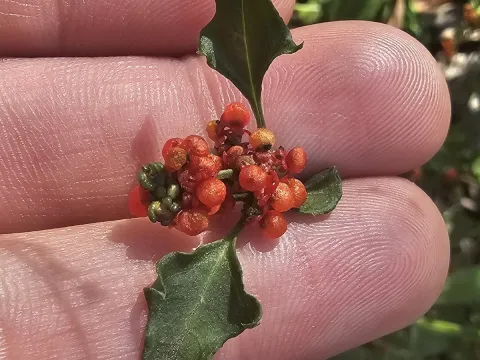
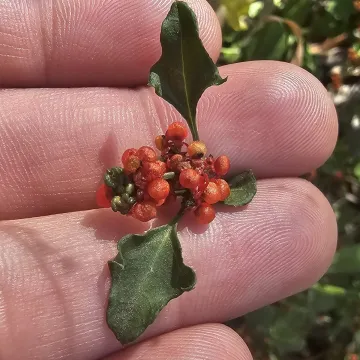
Robert's goosefoot (Chenopodium robertianum) is a herbaceous plant species within the Amaranthaceae family. It is a member of the goosefoot genus, which is characterized by its significant resilience and nutritional value, making it a subject of interest for specialized agricultural practices.
The plant originates from temperate climate zones and has spread across various regions where it occupies niches with well-drained, nutrient-rich soils. Its capacity to adapt to environmental stressors has allowed it to maintain its presence in diverse agricultural landscapes, often acting as a stabilizing component of local ecosystems.
Botanically, this species is defined by its distinct leaves often covered in a mealy, granular substance that serves as a protective layer. The plants typically grow as annuals, developing a robust taproot system that aids in moisture absorption. The foliage is known for its high content of essential minerals, which is a common trait among plants in the Chenopodium genus.
Regarding cultivation requirements, Robert's goosefoot thrives in sunny positions with minimal shade interference. It is not highly demanding regarding soil fertility but prefers environments where there is no waterlogging. Standard agronomic practices include seedbed preparation, ensuring optimal spacing to allow for airflow, and managing weeds during the early developmental phases of the plant.
- Requires well-drained soil for optimal growth.
- Sensitive to excessive moisture at the seedling stage.
- Responds well to balanced nitrogen-potassium fertilizers.
- Harvesting is best timed before the plant reaches full lignification.
In terms of utilization, the plant is valued for its biomass potential in forage systems. It provides a viable source of nutrients for livestock when harvested at the right maturity level. Common pests include aphids and various leaf-feeding beetles, while disease management primarily involves ensuring sufficient drainage to prevent fungal growth caused by stagnant moisture.
Photo gallery