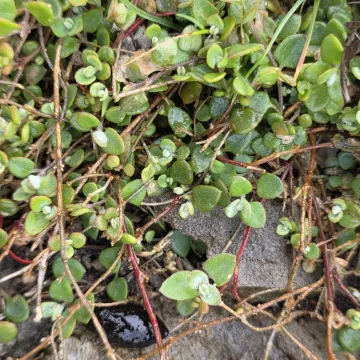
Three-stamen goosefoot
Chenopodium triandrum
Description
Three-stamen goosefoot (Chenopodium triandrum) is an annual herbaceous plant belonging to the Amaranthaceae family. It is a resilient species that has evolved to thrive in diverse environments. While often studied in the context of wild flora, it holds potential as a niche agricultural crop due to its environmental flexibility.
The native distribution of this species is centered in East Asia, encompassing regions within China, Japan, and the Korean Peninsula. It is well-adapted to temperate and subtropical climates. Throughout its history, the plant has frequently colonized disturbed habitats, showcasing its ability to survive in various soil types and shifting environmental conditions.
Botanically, Chenopodium triandrum displays the typical characteristics of the genus, including a mealy-coated leaf surface and small, inconspicuous flowers. The species is named for the presence of three stamens within each flower, a feature that distinguishes it from other related members of the Chenopodioideae subfamily. The plant usually reaches a moderate height, producing significant biomass during the peak growing season.
Agricultural success depends on providing optimal conditions, which include fertile, well-draining soil and a sunny exposure. Although the plant is hardy, it benefits from weed management in the early stages to ensure uniform development. Irrigation practices should be adjusted according to regional precipitation levels to maintain soil moisture without leading to waterlogging.
The economic value of this crop lies in its nutritional content, with leaves being edible and traditionally utilized in some local cuisines. In addition to potential food use, it may serve as fodder. Farmers should be aware of common pests such as aphids and leaf beetles, as well as fungal issues like downy mildew. Maintaining crop rotation and appropriate spacing is vital for preventing the spread of diseases and ensuring a high-quality yield.
Photo gallery