Stinking goosefoot
Chenopodium vulvaria
Description
Stinking goosefoot (Chenopodium vulvaria) is an annual herbaceous plant belonging to the Amaranthaceae family. It is widely recognized by its distinct, pungent odor, which resembles rotting fish; this smell is caused by the release of trimethylamine from the plant's glandular hairs.
The plant is native to temperate regions of Eurasia and is commonly found across Europe and parts of Asia. It thrives in waste grounds, cultivated lands, and roadsides, demonstrating a high degree of ecological plasticity that allows it to colonize disturbed soil environments with ease.
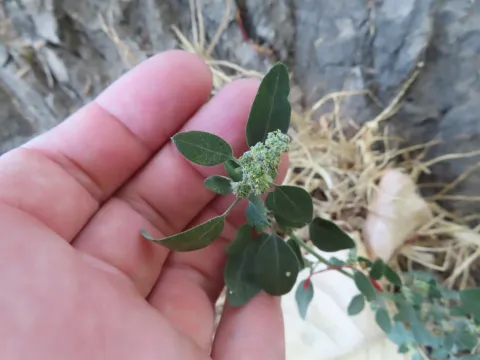
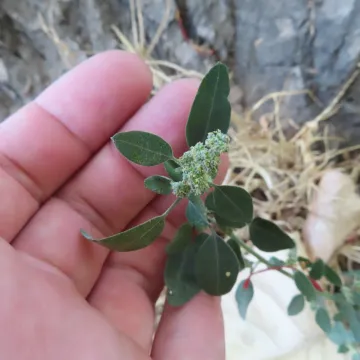
Botanically, it is a low-growing plant, often reaching a height of 10–40 cm. The leaves are rhombic-ovate and covered with a mealy or powdery substance. The flowers are small, greenish, and clustered in terminal spikes, producing numerous seeds that contribute to its role as a persistent colonizer in its natural habitat.
In terms of agricultural requirements, stinking goosefoot prefers sunny locations with well-drained, nutrient-rich, and nitrogenous soils. While it is not a traditional food crop, it requires minimal intervention during growth. It is highly resistant to drought and shows significant tolerance to poor soil quality.
The primary economic and practical use of this plant is found in the pharmaceutical and herbal medicine sectors. Historically, it has been used for its antispasmodic and sedative properties. Because of its pungent chemical composition, the plant is rarely bothered by typical insect pests or fungal diseases, making it a robust botanical subject.
- Adaptability to disturbed and degraded soils
- Pungent chemical profile acting as a natural repellent
- Prolific seed production for rapid propagation
- Historical relevance in traditional herbal medicine
Photo gallery