
Description
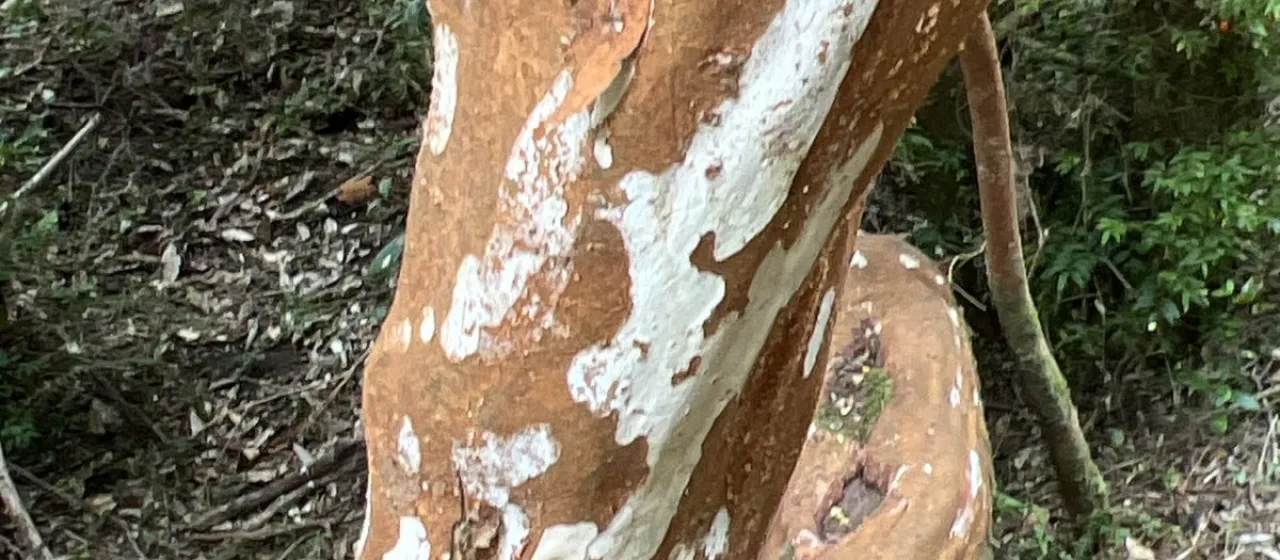
The Chilean myrtle, scientifically classified as Luma apiculata, is an evergreen tree or shrub belonging to the Myrtaceae family. It is widely recognized for its stunning aesthetic features, including a smooth, cinnamon-colored bark that peels to reveal lighter patches, and small, deep green leaves that possess an aromatic scent when crushed.
Originating from the temperate rainforests of Chile and Argentina, this plant thrives in regions with mild oceanic climates. Its distribution as a cultivated crop is concentrated in areas that experience neither extreme heat nor deep, prolonged freezes. It requires an environment with high humidity and protection from harsh, drying winds, which simulate its native habitat.
Botanically, the Luma apiculata is characterized by its slow growth rate, allowing it to remain manageable in gardens for many years. It produces elegant, four-petaled white flowers in late summer, which are highly attractive to pollinators. These flowers are followed by edible, dark-colored berries that add another layer of visual interest and biological diversity to the plant.
Successful cultivation requires soil that is fertile, moist, and well-drained. The species prefers a slightly acidic to neutral pH level. Regular watering is essential during the plant's establishment phase and in dry summer spells, as the species does not tolerate drought well. Providing mulch around the base helps preserve moisture and buffers the root zone against temperature extremes.
- Thrives in full sun to partial shade conditions.
- Responds well to light pruning to encourage denser foliage.
- Requires protection from severe frost, especially in early development.
- Relatively pest-free under correct irrigation and soil conditions.
In terms of practical utility, the Chilean myrtle is primarily used in landscaping for its high ornamental value, serving as a focal point or a structured hedge. Beyond its aesthetic appeal, the berries are edible and often used in local culinary traditions. Furthermore, its wood is famously dense and hard, historically used for crafting high-quality tool handles, posts, and artisanal woodwork.