Chiloscyphus polyanthos
Chiloscyphus polyanthos
Description
Chiloscyphus polyanthos is a species of liverwort belonging to the Geocalycaceae family. In horticultural and botanical terms, it is considered a hardy hygrophytic species, often valued for its ability to thrive in shaded, moist environments ranging from stream banks to forested substrates.
The native range of this species spans the temperate regions of the Northern Hemisphere, including extensive parts of Europe and North America. It predominantly occupies niches that provide consistent moisture, such as mossy rocks along cold-water streams, rotting wood, and damp soil, demonstrating high resilience to varying water levels.
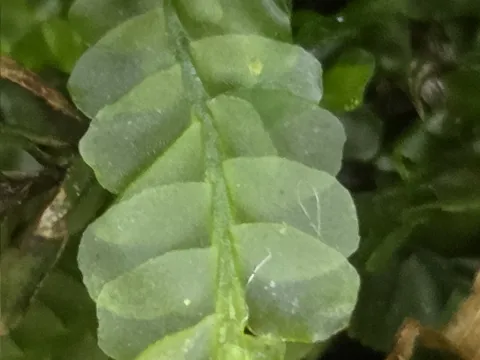
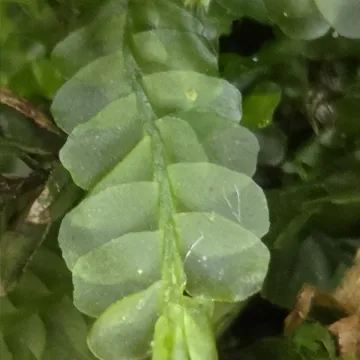
Botanically, the plant grows in dense, dark green mats composed of numerous leafy stems. The leaves are typically arranged in two rows, characterized by their round to oblong shape, which allows the plant to maximize nutrient absorption from the surrounding air or water, while maintaining structural integrity in moving water currents.
Agronomic requirements for cultivating Chiloscyphus polyanthos include maintaining cool temperatures, ideally between 15°C and 22°C. While it is tolerant of low light, sufficient light intensity is required to prevent etiolation. Key cultivation factors include:
- Stable pH levels in the aquatic environment.
- Moderate water circulation to mimic natural stream conditions.
- Avoiding nutrient spikes that may promote competing algal growth.
The primary utility of this culture lies in high-end aquarium scaping and environmental bio-filtration. It functions as an effective biological agent for nutrient removal in low-flow aquatic setups. Diseases are uncommon and usually stem from poor water quality, while pests like small gastropods can cause mechanical damage if population densities are not controlled in the greenhouse or aquarium environment.
Photo gallery