
Cunninghamia lanceolata
Cunninghamia lanceolata (Lamb.) Hook.
Description
Cunninghamia lanceolata, commonly known as Chinese fir, is an evergreen coniferous tree belonging to the Cupressaceae family. Despite its common name, it is not a true fir but a distinct species highly valued in forestry for its rapid growth rate and straight, durable timber.
The species is native to subtropical regions of China, Vietnam, and Laos. It grows naturally in mountainous areas where the climate is humid and temperatures remain moderate. Due to its economic importance, it has been introduced to various regions globally with similar temperate and subtropical climates for commercial reforestation projects.
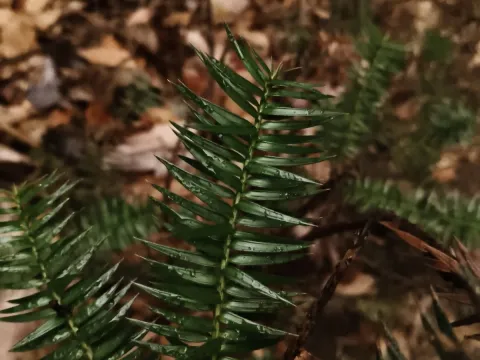
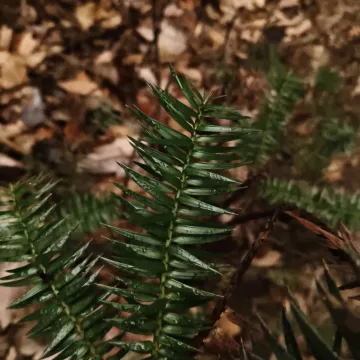
Botanically, the tree is characterized by sharp, lanceolate leaves arranged spirally along the branches. It can reach impressive heights of up to 30 meters. One of its most significant silvicultural traits is its strong coppicing ability, meaning that new shoots readily emerge from stumps after harvesting, facilitating easier stand regeneration.
Successful cultivation requires deep, fertile, and well-drained soils. The plant thrives in high-humidity environments and is sensitive to extreme drought and severe frosts. Proper site selection and careful management of young plantations are essential to ensure long-term productivity and health of the crop.
- Commercial timber production (rot-resistant wood).
- Construction materials and traditional furniture making.
- Landscaping and ornamental garden planting.
- Reforestation of degraded forest lands.
The timber of Cunninghamia lanceolata is highly resistant to decay and insect infestation, which makes it a preferred material in construction. However, plantations can be susceptible to diseases such as needle cast or fungal infections if moisture levels are not properly managed or if the planting density is too high.
Photo gallery