
Sandersonia aurantiaca
Sandersonia aurantiaca Hook
Description
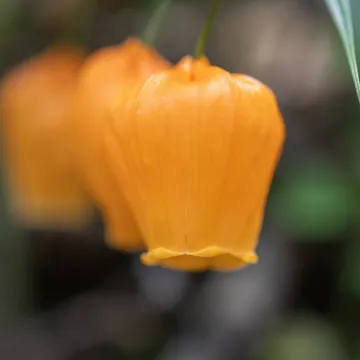
Sandersonia aurantiaca, commonly known as the Chinese lantern lily, is a perennial flowering plant belonging to the Colchicaceae family. It is a highly valued crop in the floriculture industry, prized for its bright orange, bell-shaped flowers that hang elegantly from slender stems, making them a premium choice for cut flower arrangements.
The plant originates from the grasslands and hilly terrains of South Africa, specifically the KwaZulu-Natal province. Due to its specific environmental needs, it is primarily cultivated in greenhouses or controlled glasshouse environments in temperate regions. Successful production requires mimicking its native seasonal cycle, characterized by a warm growing season and a cool, dry dormant period.
Botanically, Sandersonia is a tuberous geophyte. It features a unique underground storage organ consisting of two conjoined tubers, which are sensitive to mechanical damage and pathogens. The foliage is lanceolate, and the flowers are pendulous, providing a distinctive structural appeal. The stems require careful handling during harvesting to maintain their vase life, which can exceed two weeks if properly managed.
Agronomic success depends heavily on soil structure and irrigation management. The crop requires a well-draining, slightly acidic to neutral substrate rich in organic matter. Waterlogging is the most common cause of crop failure, leading to the rapid decay of the tuberous system. Proper ventilation and temperature control (ranging from 18°C to 25°C) are essential for maximizing stem length and bloom count.
- Implementing raised beds or high-drainage substrates to prevent root rot.
- Application of balanced NPK fertilizers during the rapid growth phase.
- Use of trellising systems to maintain upright stem growth.
- Careful management of tuber storage temperatures during the dormant cycle.
Pest and disease management is a cornerstone of Sandersonia production. The primary concerns are soil-borne pathogens like Fusarium and Pythium, which target the delicate tubers. Insect pests such as aphids, spider mites, and thrips can also impact both yield and market quality. Integrated pest management (IPM) strategies, including fungicide pre-treatment of tubers and regular scouting, are vital for sustained commercial production.
Photo gallery