
Description
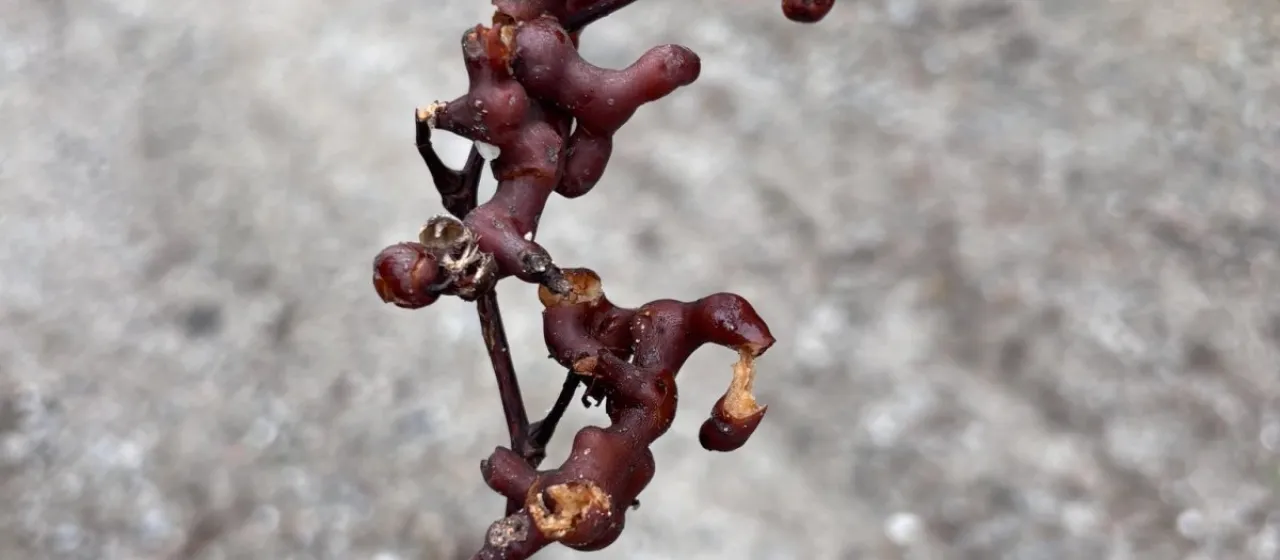
The Japanese raisin tree (Hovenia dulcis Thunb.) is a deciduous tree species belonging to the Rhamnaceae family. It is widely recognized for its unique, fleshy, and sweet-tasting peduncles (fruit stalks), which have a flavor profile reminiscent of raisins. In its natural state, the tree exhibits a robust growth habit, often reaching heights of over 10 meters with a broad, spreading crown.
Native to Southeast Asia, specifically across China, Japan, and the Korean Peninsula, the tree thrives in warm temperate to subtropical climates. Its historical range and modern cultivation areas are focused on regions where summers are long and winters are relatively mild. It has been introduced to various parts of the world as both an ornamental and a specialty fruit-bearing crop.
Botanically, the Hovenia dulcis is distinguished by its small, dry, non-palatable fruits contrasted with the significantly enlarged, sweet, and fleshy stalks that support them. The foliage is comprised of large, glossy, cordate leaves that provide excellent shade. Its flowering season typically occurs in the late spring or early summer, producing clusters of small, fragrant white-to-green flowers that attract pollinators.
Successful cultivation requires deep, fertile, and well-drained soil with consistent moisture levels. The species is sun-loving but benefits from protection against severe, drying winds. Maintenance practices include routine irrigation during dry spells, balanced fertilization in early spring, and formative pruning to manage the canopy density. While it is hardy in many zones, young trees require frost protection during the colder months.
Economic uses of the Japanese raisin tree are diverse, ranging from food production to pharmacological applications. The edible stalks are consumed fresh or dried and are used in the production of syrups, candies, and traditional beverages. In medical research, the plant is noted for its hepatoprotective properties. Key pests include aphids and scale insects, while common health issues are mostly related to poor drainage or soil-borne fungal pathogens.