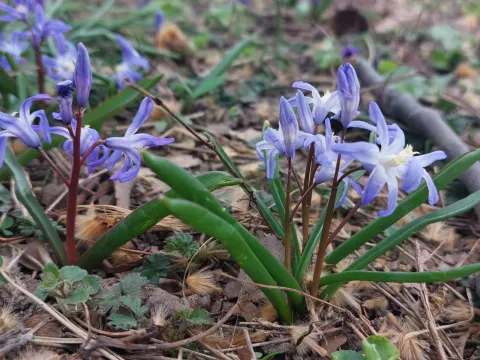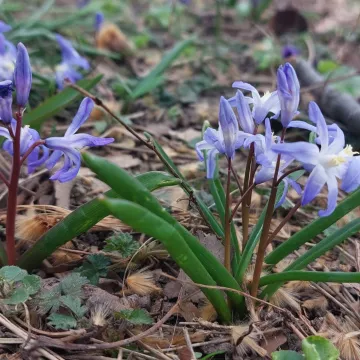
Chionodoxa luciliae
Chionodoxa luciliae Boiss.
Description
Chionodoxa luciliae, commonly known as the glory of the snow, is a perennial bulbous plant belonging to the Asparagaceae family. This species is highly valued in horticulture for its ability to produce vibrant, star-shaped flowers early in the spring season, often emerging while patches of snow still remain on the ground.
Originating from the mountainous regions of western Turkey, this plant has adapted well to temperate climates across the globe. It is widely cultivated as an ornamental crop in gardens, parks, and botanical collections. Its natural ability to survive in rocky, mountainous soil conditions makes it a robust and reliable choice for gardeners in various climate zones.
The botanical structure of Chionodoxa luciliae consists of a small, tunicated bulb from which narrow, fleshy leaves and a single or branched flower stalk arise. The flowers typically feature six petals and range in color from soft lavender-blue to deep sky-blue, usually with a prominent white center. The plant grows in clumps, and over time, it naturally spreads to form dense, attractive mats.
Agricultural and horticultural requirements are relatively straightforward. The plant thrives in well-drained, humus-rich soil and prefers locations that receive full sun to partial shade. Moisture management is critical; while the plant needs water during its spring growing phase, it requires relatively dry conditions during its summer dormant period to prevent bulb rot.
- Plant bulbs in late summer or early autumn at a depth of about 5–8 cm.
- Space bulbs 5–10 cm apart to allow for natural spread and healthy air circulation.
- Annual fertilization is not strictly necessary but can be beneficial after flowering.
- Divide clumps every few years to maintain plant vigor and density.
In terms of plant health, Chionodoxa luciliae is generally resistant to most pests. However, bulbs can be susceptible to damage from rodents such as voles, especially if planted in soft soil. Diseases like botrytis or various fungal rots may occur if the planting site lacks adequate drainage. Maintaining a healthy growing environment with good soil aeration is the most effective method for disease prevention.
Photo gallery