Sarcandra glabra
Sarcandra glabra (Thunb.) Nakai
Description
Sarcandra glabra is a perennial evergreen shrub belonging to the family Chloranthaceae. Known for its medicinal properties in traditional medicine, this plant serves as a vital agricultural crop in parts of China, India, and Japan, where it is cultivated for the extraction of active bioactive compounds.
The native distribution area of this species encompasses subtropical and tropical forests. It thrives in shaded, humid environments with well-drained, nutrient-rich forest soils. Understanding its natural ecological niche is essential for successful cultivation, as the plant is sensitive to intense direct sunlight and extreme drought.
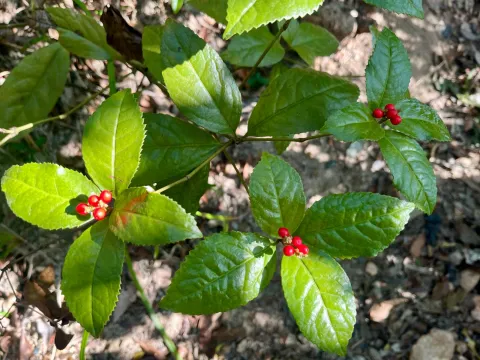
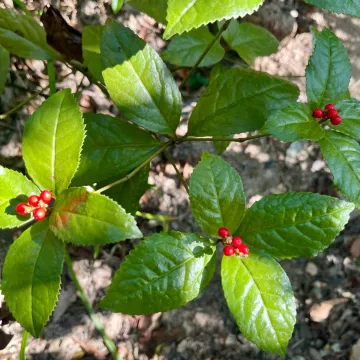
Botanically, Sarcandra glabra is characterized by its glossy, opposite, serrated leaves and inconspicuous flowers arranged in spikes. A distinct morphological feature is the bright red drupe fruit, which serves as both a decorative trait and a characteristic identifying feature. The shrub typically grows to a height of one to two meters under optimal conditions.
Agronomic requirements include maintaining soil pH between 5.5 and 6.5 and ensuring a consistent moisture level. Fertilization with organic matter is recommended during the active growth phase to promote vegetative biomass. Irrigation systems must be carefully managed to avoid waterlogging, which significantly increases the risk of soil-borne pathogens.
The primary utility of this plant lies in its pharmaceutical value; it is recognized for its anti-inflammatory, analgesic, and antioxidant effects. Growers must monitor for common pests like spider mites and scale insects. Maintaining hygiene in the fields and implementing crop rotation where possible can help mitigate common fungal diseases.
Photo gallery