Comb chloris
Chloris pectinata
Description
Comb chloris (Latin Chloris pectinata) is a perennial grass species belonging to the Poaceae family. In agriculture, this crop is valued for its exceptional ability to thrive in challenging environmental conditions, providing a reliable source of forage where other more demanding grass species struggle to establish or persist.
The plant originates from arid and semi-arid regions, which has significantly shaped its ecological profile. Its natural distribution is largely concentrated in tropical and subtropical zones, where it is highly effective at stabilizing soil and providing ground cover. Its introduction to agricultural systems is primarily aimed at improving land productivity in areas prone to desertification.
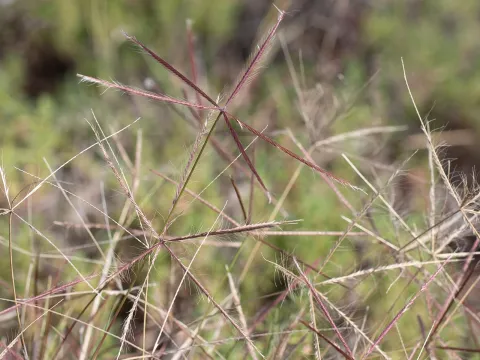
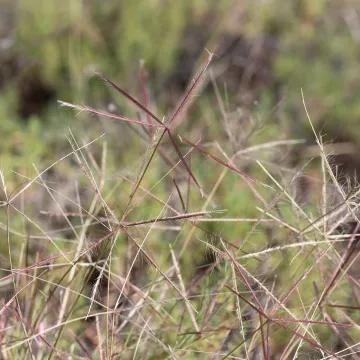
Botanically, Chloris pectinata is characterized by a robust root system that facilitates the efficient extraction of water from the soil profile. The inflorescence consists of distinct palmate spikes, which give the plant its characteristic comb-like appearance. The foliage is linear and typically rough, adapting the plant to survive in high-heat and high-light environments.
Climate and soil requirements for this crop emphasize its need for high solar radiation and well-drained, porous soils. It performs poorly in heavy, waterlogged conditions, preferring sandy or loamy textures instead. Agricultural practices should prioritize proper site selection and grazing management systems that prevent the depletion of carbohydrate reserves in the root system.
- Superior drought and heat tolerance.
- Effective erosion control on degraded lands.
- High nutritional quality during vegetative stages.
- Resilient growth habit supporting recovery after harvesting.
The primary хозяйственное (economic) use for Comb chloris is livestock grazing and the production of hay in dryland ecosystems. Regarding pests and diseases, the plant generally exhibits strong natural resistance, though it can occasionally be affected by common grass-feeding insects and fungi. Management focus remains on maintaining soil health and preventing overgrazing to ensure long-term sustainability.
Photo gallery