Chloris prieurii
Chloris prieurii
Description
Chloris prieurii is an annual grass species belonging to the Poaceae family. This plant is recognized as a vital forage crop, specifically adapted to arid and semi-arid environments where it provides essential nutritional value for livestock in regions with limited agricultural resources.
Originating from Africa, this species is naturally distributed across the Sahelian belt and other drought-prone areas. Its evolutionary adaptation allows it to thrive in climates characterized by irregular rainfall and high temperatures, making it a reliable component of the natural pasture ecosystems in these regions.
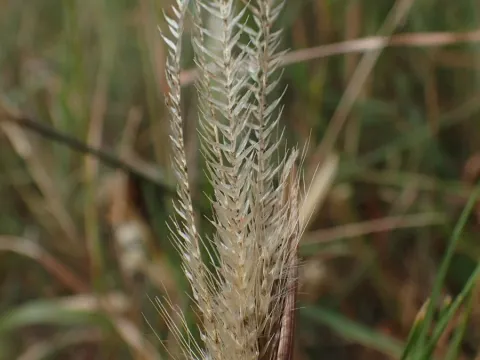
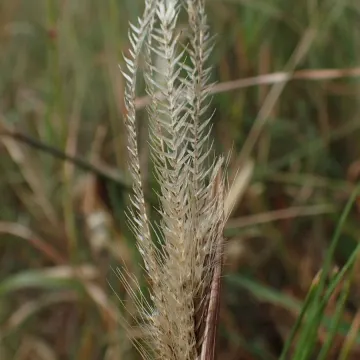
Botanically, Chloris prieurii is identified by its upright growth habit and distinct palmate-shaped inflorescences. The root system is highly efficient at moisture absorption, which is a key trait for its survival in sandy or loose soils. The leaves are typically narrow and light green, providing a dense foliage that helps suppress weeds and prevent soil erosion.
Regarding agrotechnical requirements, the crop thrives in well-drained, sandy soils and is highly sensitive to waterlogging. It is best sown at the beginning of the rainy season to exploit the short window of available soil moisture. With proper management, it can rapidly achieve full canopy closure, reducing the need for intensive weeding or fertilization.
- Excellent drought resistance
- High biomass production potential
- Nutritious forage for ruminants
- Rapid life cycle completion
In terms of usage, the grass is primarily utilized as high-quality grazing material or harvested for hay. It is generally robust; however, growers should remain vigilant against common pests such as locusts or aphids, which can occasionally affect yield. Implementing integrated pest management strategies is crucial to maintaining healthy and productive stands throughout the growing season.
Photo gallery