Bat wing plant
Christia vespertilionis (L. f.) Bakh. f.
Description
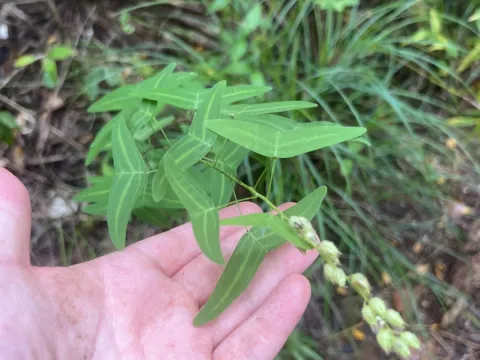
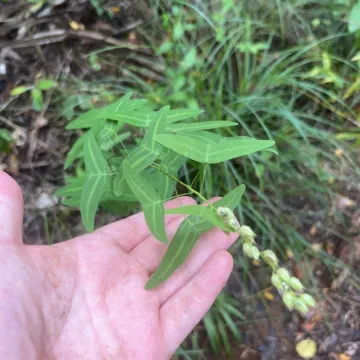
The Bat wing plant (Christia vespertilionis) is a distinctive perennial herb that belongs to the Fabaceae family. It earns its common name from its unique trifoliate leaves, which resemble the silhouette of a bat in flight. This species is highly valued among plant enthusiasts for its striking foliage and elegant structure, making it a sought-after addition to indoor garden collections.
Native to the tropical regions of Southeast Asia, including countries like Thailand, Vietnam, and Malaysia, this plant thrives in the understory of rainforests. Its natural habitat is characterized by filtered sunlight and high humidity, which dictates its specific needs when kept in domestic or controlled greenhouse environments. The species is well-adapted to the stable climates of its origin.
Botanically, the Bat wing plant features stems that can reach moderate heights, carrying leaves with a unique color pattern often displaying deep purple or burgundy hues with contrasting veins. While it produces small inflorescences, the primary appeal remains its foliage. The plant has a relatively compact root system, which simplifies its management in containers or indoor cultivation setups.
The cultural requirements are strict regarding environment: it demands constant warmth and high ambient humidity. The soil should be well-draining, nutrient-rich, and slightly acidic. Proper agronomic management includes consistent watering, as the plant does not tolerate drying out completely, alongside regular fertilization during the active growing season. It performs best in bright, indirect light rather than direct, harsh sunshine.
- Ornamental value in botanical displays and modern interiors.
- Medicinal applications in traditional Asian practices.
- Research potential for botanical study and plant breeding.
- Enhancement of biodiversity in private tropical greenhouses.
Pests such as spider mites and mealybugs are the most common adversaries, particularly in indoor environments with low humidity. Diseases often involve root rot or fungal infections on the leaves, usually triggered by poor drainage or stagnant air. Maintaining proper air circulation, consistent watering, and periodic preventive treatments are essential steps to ensure the plant's long-term health and growth.
Photo gallery