Christmas bush
Ceratopetalum gummiferum Sm.
Description
The Christmas bush (Ceratopetalum gummiferum) is a distinctive evergreen shrub or small tree belonging to the Cunoniaceae family. Native to the coastal regions of New South Wales in Australia, this plant is highly prized for its brilliant red floral displays that typically reach their peak brilliance during the festive season.
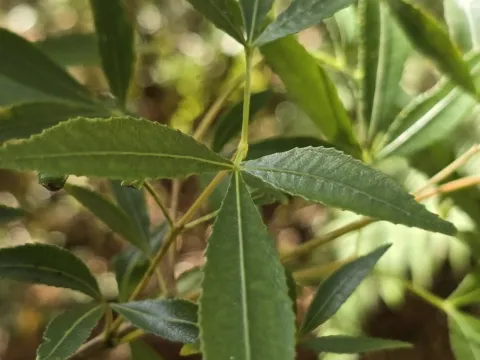
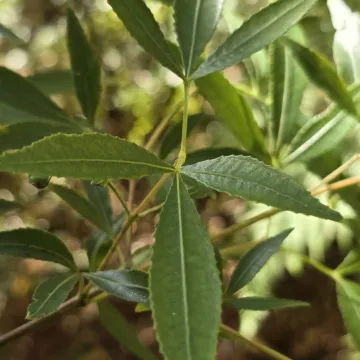
In terms of botanical characteristics, the plant is famous for its colorful calyces rather than its actual petals. The tiny white flowers are followed by persistent sepals that enlarge and turn a vivid reddish-pink hue. The leaves are trifoliate, with serrated margins, providing a lush green backdrop that contrasts sharply with the vibrant display during the maturation phase.
The cultivation of Ceratopetalum gummiferum requires specific environmental conditions. It thrives in well-drained, acidic sandy soils and requires a sunny or partially shaded position. It is relatively frost-tender, making it suitable for temperate regions where the climate remains mild throughout the year, or as a container plant in cooler climates.
Agrotechnical management involves careful monitoring of soil moisture. While the plant appreciates regular hydration during the growing season, it is susceptible to root rot in waterlogged conditions. Fertilization should be handled with caution; as with many native Australian plants, it is sensitive to high levels of phosphorus, so specialized low-phosphorus fertilizers are recommended.
Economically, the Christmas bush is an important plant in the ornamental horticulture industry. It is widely used in residential landscaping and public gardens for its aesthetic appeal. Furthermore, it is a significant crop for the cut-flower industry, as the bright red branches are highly valued for floral arrangements during December, maintaining their appearance for a long time after cutting.
- Ensure excellent soil drainage to prevent root diseases.
- Apply mulch to maintain consistent soil moisture levels.
- Perform regular pruning to encourage bushy growth and shape.
- Monitor for common pests such as aphids or scale insects.
Photo gallery