Chrozophora brocchiana
Chrozophora brocchiana
Description
Chrozophora brocchiana is a robust plant species belonging to the Euphorbiaceae family. Renowned for its adaptation to arid environments, this species serves as a significant example of desert vegetation capable of thriving in regions where moisture is scarce and ambient temperatures are consistently high.
The plant is native to the Saharan and Sahelian regions of Africa. Its natural distribution is largely concentrated in areas with sandy terrains, including dunes and dry riverbeds. Due to its evolutionary history in these harsh environments, the plant has developed survival mechanisms that allow it to persist through long-term drought conditions.
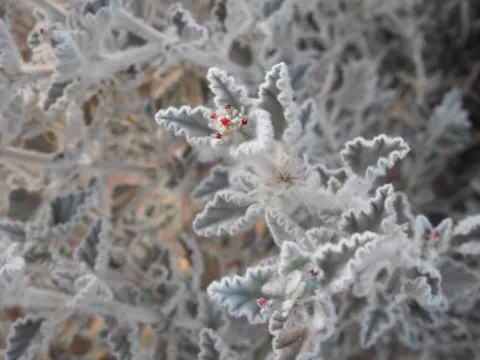
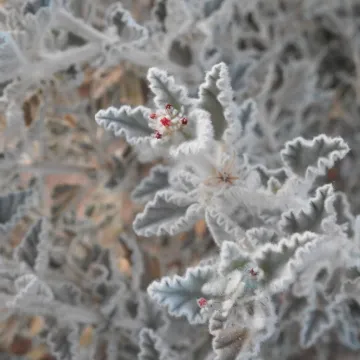
Botanically, Chrozophora brocchiana features a dense covering of stellate hairs that reflect sunlight and reduce water loss. Its leaf structure and deep taproot system are critical adaptations for moisture management. The plant typically presents as a small shrub or herbaceous plant, exhibiting significant resilience against the environmental stressors common to its natural habitat.
Regarding agrotechnology, the species requires minimal intervention, making it well-suited for low-input agricultural systems in arid zones. It thrives in loose, sandy, and well-drained soils. Proper spacing and full sun exposure are essential for optimal growth. Farmers focusing on this species generally avoid excessive irrigation, as the plant is highly sensitive to waterlogged conditions that can compromise its root health.
The economic value of this crop is primarily linked to the extraction of oil from its seeds, which has been part of regional traditional practices. Furthermore, the plant's phytochemical composition is of scientific interest. Typical threats include local insect populations adapted to arid flora and various fungal pathogens that can develop during periods of unusually high humidity, requiring vigilant field monitoring.
Photo gallery