Chrysanthemum zawadzkii
Chrysanthemum zawadzkii
Description
Chrysanthemum zawadzkii is a perennial herbaceous plant belonging to the Asteraceae family. This species is recognized for its rustic nature and serves as a vital genetic resource in the breeding of cold-hardy garden chrysanthemums. It is an evolutionary robust plant that has successfully adapted to challenging mountainous environments.
The native range of this species is centered in East Asia, including parts of the Russian Far East, Japan, Korea, and China. It typically inhabits rocky slopes, mountain meadows, and alpine crevices. Its natural habitat is characterized by thin soils and intense exposure to elements, which explains the plant's resilience to harsh climates and temperature fluctuations.
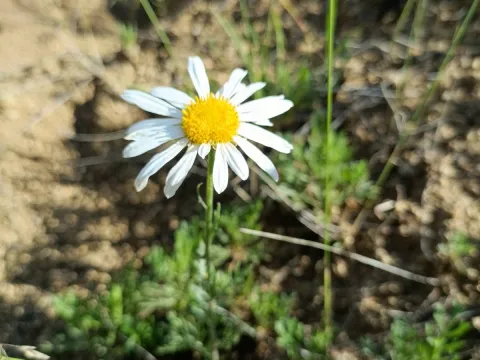
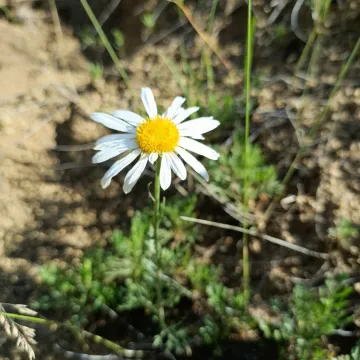
Botanically, the plant features erect stems reaching 20–50 cm in height, adorned with deeply lobed, often pinnate leaves. The flowers appear in attractive terminal heads (capitula) that are generally white to pale pink in color. The plant possesses a persistent rootstock, allowing it to regenerate effectively each spring after enduring severe winter frosts.
To successfully cultivate Chrysanthemum zawadzkii, one must provide a site with full sun exposure and excellent soil drainage. The plant thrives in slightly alkaline or neutral soil that is not excessively rich in organic matter. Overwatering must be avoided, as the species is highly susceptible to root rot if water stagnation occurs in the root zone.
The primary horticultural application of this plant is in rock gardens, borders, and informal naturalistic landscapes. Its compact growth habit and natural resistance to drought make it a low-maintenance choice for gardeners. Furthermore, it is highly valued by researchers for its potential to introduce cold-hardiness and disease resistance into hybrid commercial varieties.
- High frost tolerance
- Drought resistance
- Preference for rocky, well-drained soils
- Sun-loving nature
- Compact architectural habit
Common plant health issues include fungal infections like powdery mildew, which often develop in poorly ventilated or excessively humid conditions. Insect pests such as aphids and spider mites can occasionally affect the foliage. Maintaining proper plant spacing, ensuring good air circulation, and utilizing integrated pest management strategies are recommended to maintain plant vigor.
Photo gallery