Chrysobalanus oblongifolius
Chrysobalanus oblongifolius
Description
Chrysobalanus oblongifolius, commonly known in its native range as the gopher apple, is a perennial subshrub belonging to the Chrysobalanaceae family. It is a distinct botanical species characterized by its low-growing habit and exceptional ability to thrive in harsh, nutrient-poor environments where many other crops fail to establish.
This species is native to the southeastern United States, particularly Florida and surrounding regions. It primarily inhabits open, sunny pinelands and scrub areas, having adapted over time to survive periodic natural wildfires and sandy, well-drained soils that characterize these specific ecological zones.
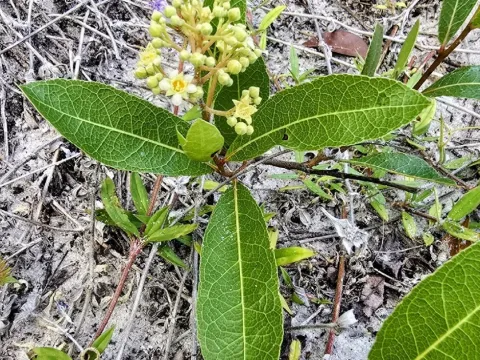
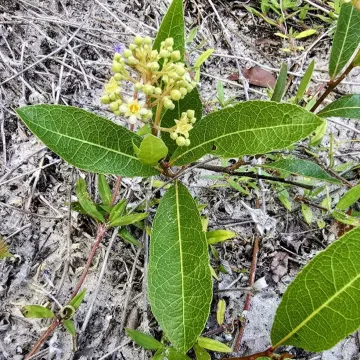
Botanically, Chrysobalanus oblongifolius is distinguished by its elongated, leathery leaves which possess a matte finish, helping the plant conserve moisture in arid conditions. The plant features an extensive underground rhizome system, which is a key survival mechanism allowing it to regenerate after disturbance. Small, fragrant flowers are produced in inflorescences, attracting a variety of native pollinating insects.
Cultivation requirements for this crop focus on emulating its natural habitat: it demands highly acidic, sandy soil with excellent drainage. Attempting to grow this plant in heavy, clay-rich or alkaline soils usually results in failure. It requires minimal fertilizer and is highly drought-tolerant, making it a low-maintenance choice for suitable soil types; however, consistent moisture is beneficial only during the establishment phase.
In terms of agricultural and practical use, the fruits are consumed locally and valued for their nutritional profile, often made into jellies or consumed fresh. Furthermore, it is a significant plant for land restoration and soil stabilization projects due to its deep rhizomatous roots. Producers should watch for common pests such as spider mites and various fungal pathogens that can affect the foliage during periods of stagnant high humidity.
Photo gallery