Chrysocoma ciliata
Chrysocoma ciliata
Description
Chrysocoma ciliata, often referred to in agricultural studies as a component of shrubby pastures, is a perennial subshrub belonging to the Asteraceae family. It is recognized for its persistence in harsh environmental conditions where conventional forage crops often fail to establish.
The species is native to South Africa, particularly prevalent in the Karoo region, where it has evolved to thrive in semi-arid and arid landscapes. Its natural distribution range is defined by regions with low rainfall, high temperatures, and poor, often saline soil conditions, making it an ecological indicator for these specific zones.
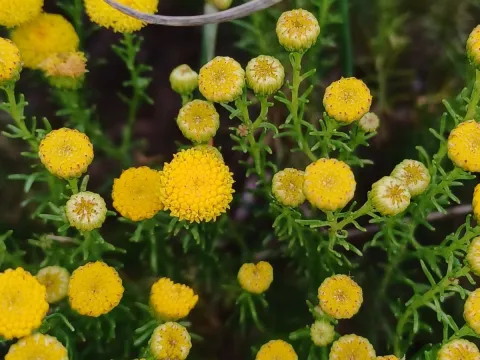
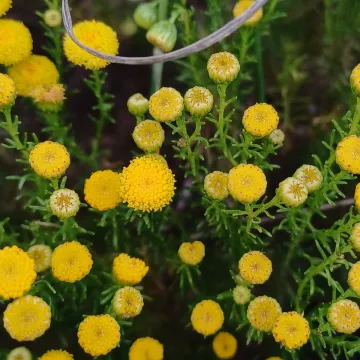
Botanically, the plant is characterized by its woody base and herbaceous stems that produce numerous small, ciliate leaves. The inflorescences are distinct yellow flower heads typical of the Asteraceae family. Its structure allows it to maintain photosynthetic activity under low water potential, which is a key adaptation for survival in its arid habitat.
Regarding agrotechnology, Chrysocoma ciliata requires well-drained soils and is sensitive to waterlogging, which can quickly lead to root rot. It does not require high levels of nitrogen fertilization and is often used in restoration projects for degraded grazing lands. Proper management involves controlled grazing intensity to ensure the plant's reproductive cycle remains uninterrupted.
Economically, while it is not a high-value commercial crop, it serves as an essential source of emergency forage for small livestock in southern Africa. Typical challenges include susceptibility to soil-borne pathogens in water-saturated environments and infestation by regional insect pests such as aphids or moth larvae that feed on the foliage during peak growth seasons.
Photo gallery