Chrysolaena cognata
Chrysolaena cognata
Description
Chrysolaena cognata is a perennial herbaceous plant belonging to the Asteraceae family. Historically linked to the genus Vernonia, this species is recognized for its robust growth habit and adaptive characteristics. In an agricultural context, it is studied for its resilience and the ability to maintain biomass under fluctuating environmental conditions.
Originating from the South American continent, specifically Brazil and neighboring regions, the plant thrives in tropical and subtropical climates. Its natural habitat is characterized by savanna-like ecosystems, where it has evolved to withstand intense sunlight and seasonal dry spells. These environmental origins dictate its primary performance parameters when introduced into agricultural systems.
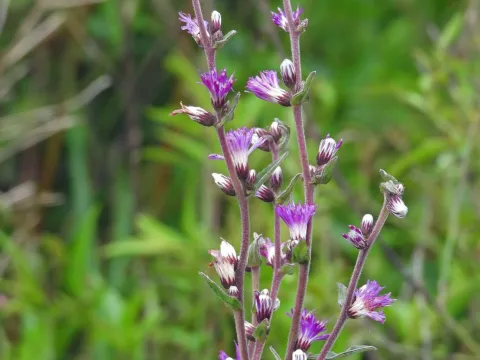
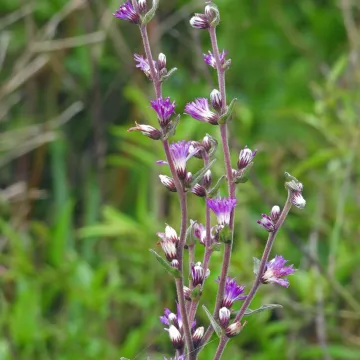
Botanically, the plant features a strong, deep root system and lanceolate leaves that often possess a fine covering of hairs to reduce transpiration. The inflorescences are arranged in characteristic capitula (flower heads), typical of the Asteraceae family, often displaying vibrant purple or lilac hues during the blooming phase. This structure contributes to its ecological stability and reproductive success.
Agronomic requirements for Chrysolaena cognata emphasize the need for well-drained soils, preferably sandy loams with a slightly acidic pH. Effective cultivation involves avoiding waterlogging, which is critical for preventing root pathogens. While it is hardy, initial establishment requires adequate moisture, followed by management practices that prevent soil compaction and competition from invasive weeds.
The economic and agricultural utility of Chrysolaena cognata is diverse, focusing on its role in soil conservation, phytoremediation, and potential use as a genetic resource for local forage programs. While it is generally resistant to many common pests, growers should monitor for aphids and fungal infections during periods of high humidity. Integrated pest management (IPM) strategies, including proper spacing and canopy management, are recommended to ensure optimal plant health.
Photo gallery