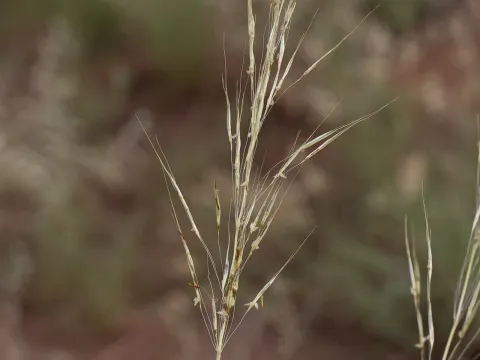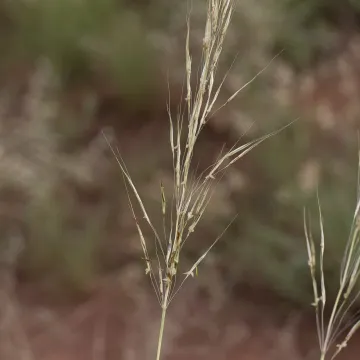

Chrysopogon fallax
Chrysopogon fallax
Description
Chrysopogon fallax is a perennial grass species belonging to the Poaceae family. Known commonly as a type of golden beard grass, this plant is an essential component of grasslands and rangelands in arid and semi-arid environments, particularly within its native range.
The plant is native to Australia and is widely distributed across the continent's diverse landscapes. It thrives in open woodlands, savannas, and arid plains. Its ability to colonize degraded areas and adapt to various environmental stresses makes it a key species for maintaining ecological balance and soil health in its natural habitat.
Botanically, Chrysopogon fallax is a tufted, perennial grass with strong, deep roots that allow it to withstand drought conditions. The leaves are typically narrow and stiff, while the inflorescence consists of a loose panicle with distinctively colored spikelets, often ranging from yellow to reddish hues, which are characteristic of this genus.
Regarding cultivation and environment, this grass requires well-drained soils and thrives in regions with intense sunlight. It is highly drought-tolerant, requiring minimal irrigation once established. Agricultural management practices for this species focus primarily on sustainable grazing strategies to prevent over-utilization and ensure the long-term productivity of the pastureland.
The primary agricultural use of this plant is as a source of forage for livestock. It is valued for its resilience and its ability to provide nutrients during periods when other forage species might struggle to grow. Its importance in the agricultural sector includes:
- Excellent soil stabilization properties in dry regions.
- Contribution to the natural biodiversity of rangeland ecosystems.
- Providing resilient forage that recovers quickly after seasonal rains.
- Functioning as a pioneer species in land reclamation projects.
While the species is generally robust, it can be susceptible to typical grass pathogens, including rusts and smuts, especially if moisture levels become excessive for prolonged periods. Effective management relies on proper stocking rates and monitoring to maintain the vigor of the plant population against potential pests or competitive weeds.
Photo gallery