Chrysopogon filipes
Chrysopogon filipes
Description
Chrysopogon filipes is a perennial grass species belonging to the Poaceae family. Recognized for its structural integrity and resilience, this plant has gained attention as an important component in grassland management and livestock forage production. Its biological profile allows it to thrive in diverse environments, making it a reliable choice for sustainable agricultural practices.
The origin of Chrysopogon filipes is primarily linked to the tropical and subtropical regions of Southeast Asia. It is naturally adapted to savannahs and grassland ecosystems where it withstands periods of seasonal drought. Its presence in these areas contributes significantly to soil stabilization and the preservation of natural biodiversity.
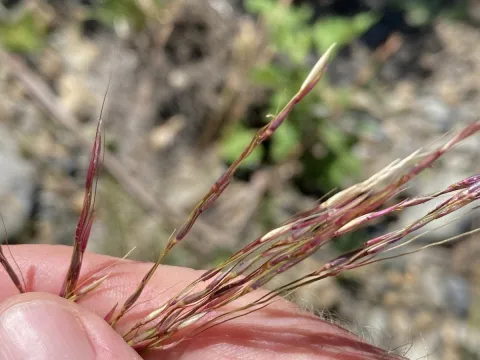
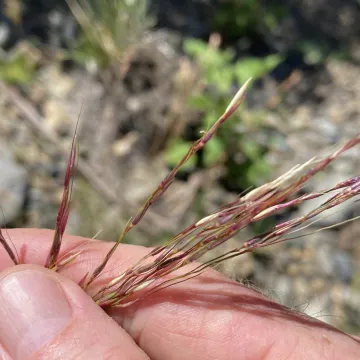
Botanically, the plant features a dense, tufted growth habit and a fibrous, deep-reaching root system. The stalks are slender yet sturdy, culminating in a panicle inflorescence that aids in wind-assisted seed dispersal. The foliage is characterized by its narrow, linear shape, which helps minimize water loss through transpiration, thus supporting its drought-tolerant nature.
In terms of agricultural requirements, this species flourishes in well-drained soils with a preference for warm climates. It does not demand high-intensity fertilization but shows improved vigor when nitrogen levels are adequate. Successful cultivation requires careful management of grazing cycles to avoid over-depletion of the root reserves, ensuring long-term stand productivity.
The primary utility of Chrysopogon filipes lies in its capacity for high-yield forage production and soil conservation. It is an excellent candidate for stabilizing embankments due to its persistent root structures. While generally robust, growers should monitor for common grass pests like aphids and stem borers, and address fungal pathogens that may arise in overly humid conditions by maintaining proper field drainage.
Photo gallery