
Chrysopogon fulvus
Chrysopogon fulvus
Description
Chrysopogon fulvus is a perennial grass species belonging to the Poaceae family. In agronomy, it is recognized as a hardy forage crop capable of thriving in challenging environments, often used in regions where other crops struggle due to limited moisture or poor soil quality.
The plant is native to tropical and subtropical regions of Asia, particularly prevalent in India. Its range spans diverse topographies, from open grasslands to degraded hillsides. It has evolved to adapt to tropical climates, showing remarkable tolerance to heat and alternating wet and dry seasons, making it a reliable species for semi-arid agriculture.
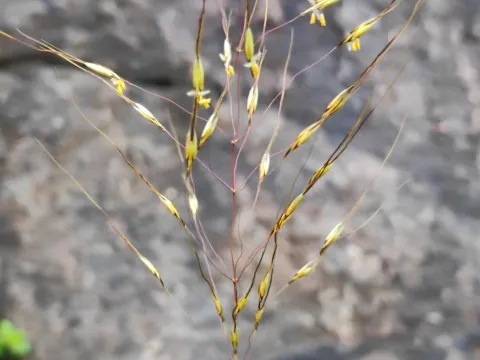
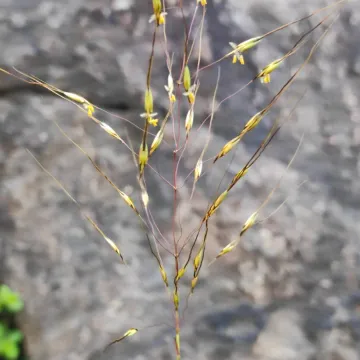
Botanically, it is a tufted grass that can reach heights of up to 1.5 meters. The foliage is characteristically narrow and can become coarse as the plant matures. The most identifying feature is its panicle inflorescence, which displays a distinct, rust-colored hue when fully developed, distinguishing it from other similar grass species in the Chrysopogon genus.
Regarding soil and climatic requirements, it is highly adaptive but performs best in well-drained, sandy or loamy soils. It demonstrates excellent drought resistance once established. Agronomic management involves managing the harvest cycle to ensure the biomass remains nutritious; if left too long, the plant becomes fibrous and loses its palatability for livestock.
The primary economic value of this grass lies in its dual-purpose nature: providing fodder for cattle and serving as a critical tool for soil conservation and erosion control. By binding the soil with its extensive root system, it protects vulnerable terrain. Common pests include various stem-boring insects and aphids, while diseases such as rusts may occur under conditions of excessive humidity, necessitating proper management practices.
Photo gallery