Bulb-bearing water hemlock
Cicuta bulbifera
Description
The bulb-bearing water hemlock (Cicuta bulbifera) is a perennial herbaceous plant belonging to the Apiaceae (parsley) family. It is recognized primarily by the small bulbils that develop in the leaf axils, which serve as its main mechanism for vegetative reproduction. While taxonomically interesting, this plant is not an agricultural crop but rather a highly toxic weed often found in aquatic ecosystems.
Native to North America, the species thrives in moist environments such as marshes, bogs, and along the banks of slow-moving streams or ponds. Because of its toxicity and tendency to invade wet agricultural drainage ditches, it is frequently managed as an unwanted species in rural environments near water bodies. It is not cultivated for any purpose due to the severe risks it poses to livestock.
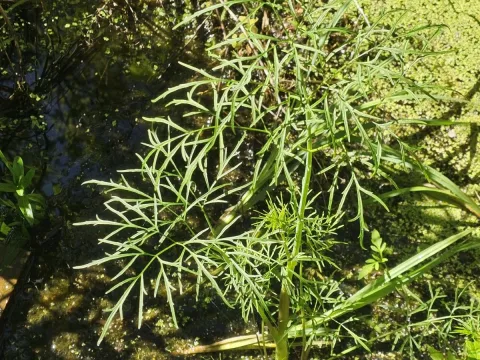
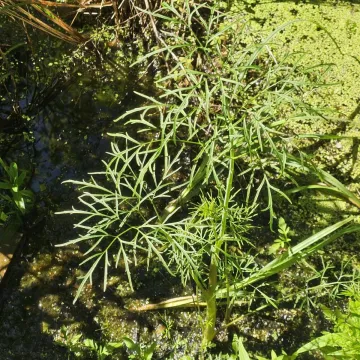
Botanically, Cicuta bulbifera features finely dissected foliage and slender, branched stems that grow up to one meter tall. The characteristic bulbils are green and drop into the soil or water, where they readily sprout. The plant produces small, white, umbrella-shaped inflorescences typical of the Apiaceae family, which appear during the summer months.
Regarding its ecological requirements, the plant demands consistent soil moisture and is rarely found outside of saturated or wetland habitats. Agronomic management involves controlling the water table or using physical removal methods to prevent the spread of bulbils into irrigation systems. Chemical control is strictly regulated due to the potential contamination of aquatic environments.
The species contains cicutoxin, a powerful neurotoxin that makes the entire plant dangerous if ingested. In terms of natural enemies, while it is susceptible to typical fungal leaf spots or aphid infestations, the plant's intense toxicity provides a significant defensive advantage against herbivores. It remains a species of concern for farmers managing pastureland bordering wetland regions.
Photo gallery