
Black cohosh
Cimicifuga racemosa
Description
Black cohosh (Cimicifuga racemosa) is a perennial herbaceous plant belonging to the Ranunculaceae family. It is a significant crop in both the medicinal herb industry and ornamental horticulture, valued for its pharmacological components and distinct aesthetic appeal in shaded garden environments.
Native to the temperate forests of North America, this plant is well-adapted to cooler regions where moisture is abundant. Its natural habitat dictates its requirements in agricultural settings, as it thrives best under partial canopy cover, avoiding extreme direct sunlight which can damage its large, complex foliage.
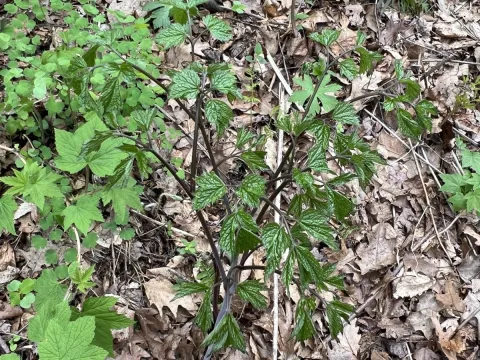
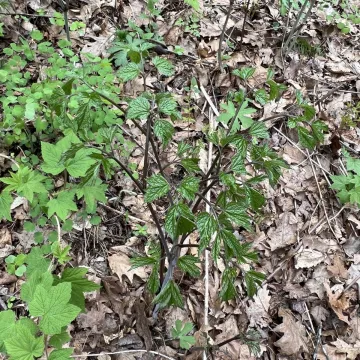
The botanical structure of the plant is characterized by a deep, fibrous root system and tall racemes that bear small white flowers. During the growth cycle, the plant develops a large basal rosette of dark green, serrated leaves, providing an excellent structural element in the field or garden before the flower spikes appear in late summer.
Successful cultivation requires soil that is rich in organic matter, consistently moist, and slightly acidic to neutral in pH. Agronomic practices should focus on maintaining high soil humidity through consistent irrigation and the use of organic mulch. Proper spacing is essential to ensure adequate air circulation and prevent moisture-related fungal issues.
The primary agricultural use is the harvesting of rhizomes, which are used to produce supplements aimed at women's health. While generally hardy, growers must be vigilant against common pests such as aphids and fungal pathogens like powdery mildew. Disease management is typically handled through integrated pest management (IPM) strategies, ensuring the longevity and quality of the medicinal harvest.
Photo gallery