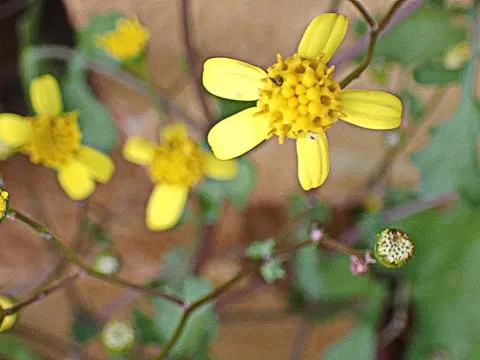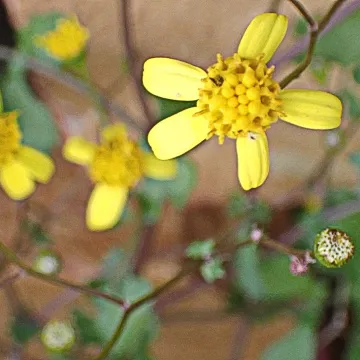
Cineraria lobata
Cineraria lobata
Description
Cineraria lobata is a perennial herbaceous plant belonging to the Asteraceae family. Known for its distinct lobed foliage and compact growth habit, this species is primarily valued in ornamental horticulture for its unique appearance and structural contribution to floral displays.
The plant originates from Southern Africa, where it has evolved to thrive in specific temperate conditions. Its natural distribution range emphasizes the need for well-draining soil and a climate that avoids extreme frost, making it a popular choice for greenhouses or protected outdoor environments.
Botanically, the species is characterized by its lobed, often pubescent leaves, which serve as an adaptation to minimize transpiration. The root system is relatively shallow, necessitating consistent but controlled moisture levels to ensure the plant remains vigorous without succumbing to physiological stress.
Successful cultivation requires a growth medium that balances nutrient density with high aeration. Agronomists recommend a neutral to slightly acidic pH for optimal nutrient uptake. Furthermore, ensuring adequate light exposure is crucial for maintaining the plant's structural integrity and preventing etiolation, particularly during the early stages of development.
The primary utility of Cineraria lobata is decorative, serving as a specialized crop for nurseries and botanical gardens. Maintenance protocols must focus on sanitation to mitigate disease risks. Common issues include powdery mildew and root rot caused by stagnant water, while pests like aphids and spider mites require a proactive integrated pest management strategy to protect the foliage.
Photo gallery