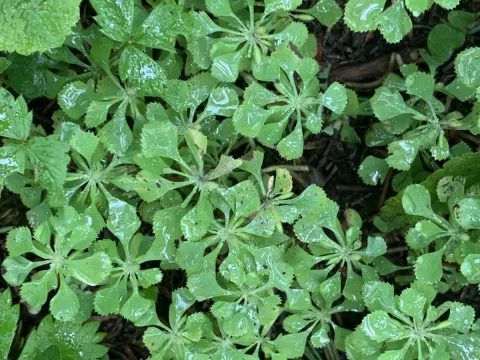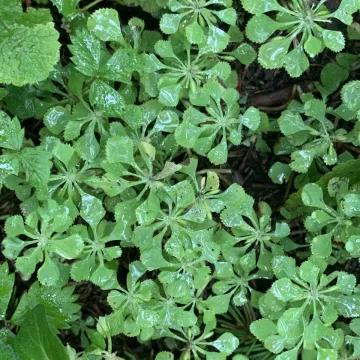
Circaeaster agrestis
Circaeaster agrestis
Description
Circaeaster agrestis is a distinctive herbaceous plant, serving as the sole species within the Circaeasteraceae family. While not a conventional agricultural crop, it is highly regarded in botanical science for its evolutionary significance and unique morphological traits that link it to ancient plant lineages.
The plant originates from the high-altitude regions of the Himalayas and Western China. It typically inhabits cool, shaded, and humid environments, such as the understory of high-mountain forests. Its distribution is highly fragmented, making it a rare find even within its natural geographical range.
The botanical structure of this species is notable for its dichotomous leaf venation and simple, petal-less flowers. These traits are considered primitive, providing researchers with valuable data regarding the early development of dicotyledonous plants. Its life cycle is perfectly adapted to short, cool growing seasons.
Agrotechnical requirements for growing Circaeaster agrestis are extremely stringent. The plant demands a soil substrate rich in organic matter, excellent drainage, and consistent moisture levels. It is intolerant to direct sunlight and high temperatures, requiring a controlled microclimate that mimics its natural alpine habitat to survive.
The economic and research potential of this plant is primarily focused on pharmacology and evolutionary biology. While it lacks traditional agricultural uses, its potential as a source of novel secondary metabolites is an area of ongoing academic interest. Ensuring its survival involves strict conservation efforts rather than large-scale cultivation practices.
Common issues during cultivation include fungal pathogens targeting the root system, often resulting from poor water drainage or stagnant air. Pests are rarely an issue in its native mountainous environment, though specialized greenhouse environments require monitoring for typical indoor plant pests.
Photo gallery