
Cissampelos mucronata
Cissampelos mucronata
Description
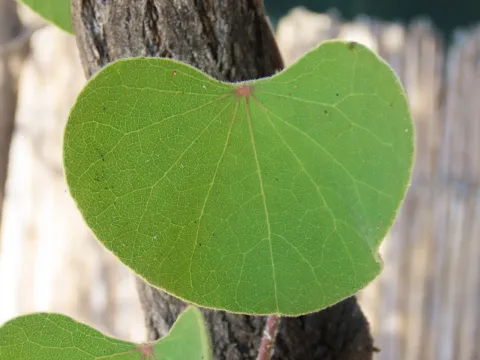
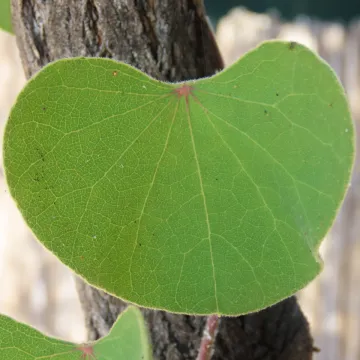
Cissampelos mucronata is a perennial climbing plant belonging to the Menispermaceae family. Renowned for its vigorous growth and distinctive heart-shaped leaves, this species acts as a significant representative of tropical vegetation. While not a traditional food crop, it serves as an essential botanical resource in regions where it is native.
The plant is native to sub-Saharan Africa, thriving in a variety of environments ranging from wooded savannas to riverbanks. It is highly adapted to warm climates and possesses a remarkable resilience to fluctuating rainfall patterns, which is a key agronomic factor for its survival in semi-arid environments.
Botanically, it is characterized by its slender, twining stems and a complex root system. The species is dioecious, meaning individual plants are either male or female, which is a crucial aspect for producers looking to manage seed production. The foliage is typically pubescent, a feature that helps the plant mitigate water loss through transpiration in intense heat.
Agronomic requirements center on well-draining, nutrient-rich soils and the provision of structural supports, such as trellises or natural fences, to accommodate its climbing habit. It thrives in full sun but tolerates partial shade. Maintaining adequate moisture without saturating the soil is vital to prevent root rot, and supplemental fertilization can significantly enhance biomass yields.
Economic and хозяйственное use of Cissampelos mucronata is primarily focused on pharmacology. The plant is widely recognized in traditional medicine for its anti-inflammatory, analgesic, and antimicrobial properties. Ongoing scientific research aims to standardize cultivation techniques to ensure a sustainable supply of raw material for therapeutic extracts.
- Regular pruning to facilitate air circulation within the canopy.
- Integrated pest management to prevent common tropical mite infestations.
- Soil amendment with organic compost to improve water retention and nutrient profile.
Photo gallery