Cissus verticillata
Cissus verticillata
Description
Cissus verticillata, commonly known as the princess vine, is a perennial climbing plant belonging to the Vitaceae family. It is recognized for its vigorous growth habits, using branched tendrils to climb over shrubs and trees, which makes it a versatile species in tropical horticulture.
Originating from the tropical regions of the Americas, its natural range extends from Florida and Mexico throughout the Caribbean and Central America down to South America. It is commonly cultivated in these regions, thriving in diverse habitats ranging from tropical rainforest understories to disturbed secondary forests.
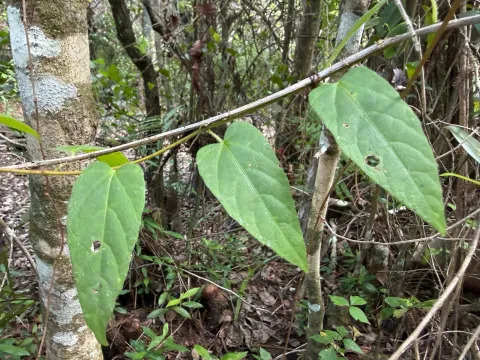
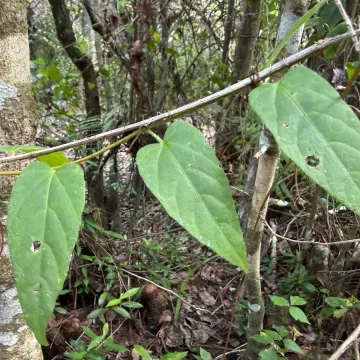
Botanically, the plant features alternate, serrated leaves and small, greenish-yellow flowers grouped in corymbs. The fruits are dark, berry-like drupes that serve as a food source for local fauna. Its structural morphology allows it to adapt to various levels of sunlight, from full exposure to partial shade.
The cultivation of this crop requires specific agronomic practices to ensure optimal yield and plant health. The plant prefers well-drained, fertile soil and requires sufficient moisture throughout the growing season. Propagation is most efficiently achieved through stem cuttings, which root readily under controlled humidity and temperature.
In terms of economic and practical use, Cissus verticillata is highly valued for its medicinal properties in traditional herbalism, specifically for its anti-inflammatory effects. Agronomically, it is susceptible to typical pests like spider mites and aphids, while excessive soil moisture can lead to root rot. Monitoring and integrated pest management are essential for maintaining healthy plantations.
Photo gallery