Florida fiddlewood
Citharexylum fruticosum
Description
Florida Fiddlewood (Citharexylum fruticosum) is an evergreen tree or large shrub that belongs to the Verbenaceae family. Known for its elegant appearance and fragrance, this species is highly valued in tropical and subtropical landscaping for its ability to provide structure and color throughout the growing season.
The plant is native to the Caribbean, Florida, and parts of Central and South America. It thrives in diverse habitats, often found in coastal forests and limestone-based soils. Because of its native resilience, it is frequently used in conservation projects and reforestation efforts in its home range, alongside its decorative applications.
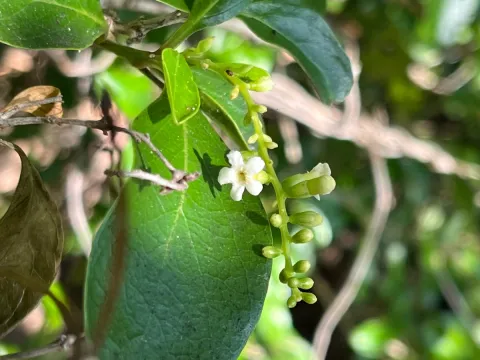
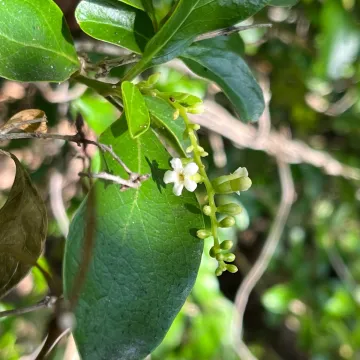
Botanically, it is recognized by its glossy, opposite leaves and racemes of small, white, sweetly scented flowers. The fruits are drupes that transition from orange-red to deep purple or black upon maturity. The plant possesses a robust root system, making it quite efficient at extracting nutrients from relatively lean soil conditions.
Cultivation requirements for optimal health include:
- Soil: Thrives in well-draining, calcareous, or slightly acidic soils.
- Sunlight: Prefers full sun to partial shade for maximum flowering density.
- Watering: Needs moderate watering, though it shows moderate drought tolerance once fully established.
- Maintenance: Requires minimal pruning unless being used to maintain a formal hedge or screen shape.
The primary use of Citharexylum fruticosum is ornamental. It is a staple in subtropical xeriscaping and pollinator gardens, as its flowers attract a wide variety of butterflies and bees. Historically, the name "fiddlewood" is derived from the wood's traditional use in making musical instruments and cabinets, owing to its hardness and stability.
Common pests include scale insects, mealybugs, and spider mites, which can be managed with horticultural oils or insecticidal soaps. Diseases are generally infrequent if the plant is placed in a location with adequate airflow. Root rot remains the primary threat, which can be avoided by ensuring the site has excellent drainage and preventing waterlogged conditions.
Photo gallery