Citharexylum myrianthum
Citharexylum myrianthum
Description
Citharexylum myrianthum is a prominent species within the Verbenaceae family, known for its significant growth rate and structural importance in tropical landscapes. Often referred to as a fast-growing hardwood, it plays a vital role in ecological succession within its native habitats. Its ability to thrive in diverse conditions makes it an interesting subject for forestry and landscape management.
Originating from the humid forests of South America, particularly Brazil, this tree has evolved to adapt to high-humidity environments. It is frequently found in secondary forests, where it serves as a pioneer species that stabilizes soil and facilitates the growth of other flora. Its geographic range is limited to tropical and subtropical climates where frost is absent.
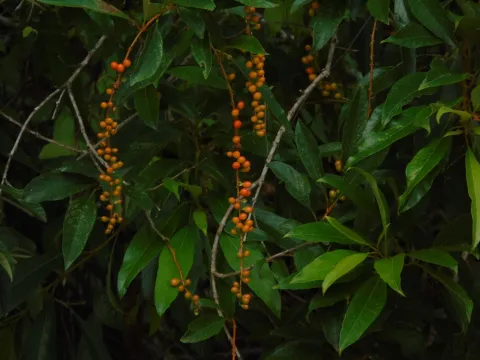
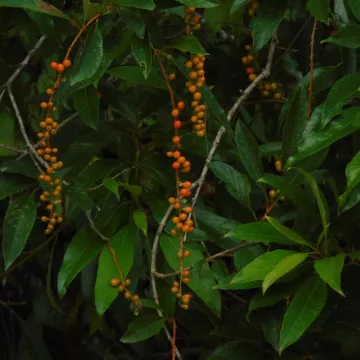
Botanically, Citharexylum myrianthum is recognized by its opposite, elliptical leaves and elongated inflorescences bearing small, aromatic flowers. The fruits are typically small, fleshy berries that provide a consistent food source for local bird populations. This biological characteristic enhances its value in biodiversity-focused reforestation programs.
Cultivation requirements for this species include deep, nutrient-rich soils with efficient drainage. While it shows high resilience, it performs best under full sunlight, which triggers its accelerated growth phase. Agronomic practices should focus on:
- Adequate irrigation during the establishment period
- Periodic pruning to maintain structural integrity
- Monitoring for humidity-related fungal issues
In terms of economic utility, the timber of Citharexylum myrianthum is valued for its durability and aesthetic grain, making it suitable for furniture and light construction. Common pests include various leaf-eating beetles and occasional aphid infestations, which are typically managed through standard integrated pest management strategies. Proper site selection remains the most effective defense against diseases.
Photo gallery