Citrus macroptera
Citrus macroptera
Description
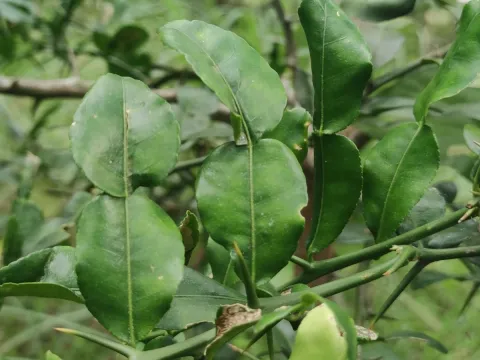
Citrus macroptera, commonly known as the Melanesian papeda, is a distinct citrus species belonging to the family Rutaceae. It is a perennial evergreen shrub or small tree that typically grows in tropical environments, characterized by its uniquely large petioles and textured, aromatic fruits.
The species originates from Southeast Asia and is particularly abundant in the regions of Melanesia and Indonesia. It thrives in wild tropical forest conditions where rainfall is abundant throughout the year. It has historically been used by indigenous communities as both a food source and a traditional medicinal plant.
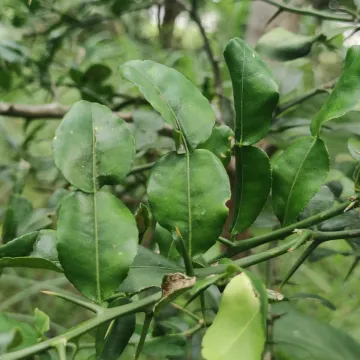
Botanically, the tree is noted for its irregular, knobby fruit that can range in size and shape. The rind is particularly thick and rich in volatile oils, which provide a potent, pleasant aroma. The leaves are also significant, as they are frequently used in cooking to add a citrusy, aromatic profile to traditional dishes.
Regarding agrotechnology, Citrus macroptera requires a warm, humid climate without frost. The soil should be fertile, well-draining, and rich in organic matter to mimic its natural forest floor habitat. Regular irrigation is essential, but care must be taken to ensure the root system is not subjected to waterlogging, which can lead to rapid decay.
The cultivation of this plant involves vigilant pest management. Growers must monitor for common citrus pests such as aphids, citrus leaf miners, and scale insects. Maintaining proper spacing and air circulation within the canopy is crucial to minimize the risk of fungal diseases, such as anthracnose, which are prevalent in the humid conditions that the tree prefers.
Photo gallery