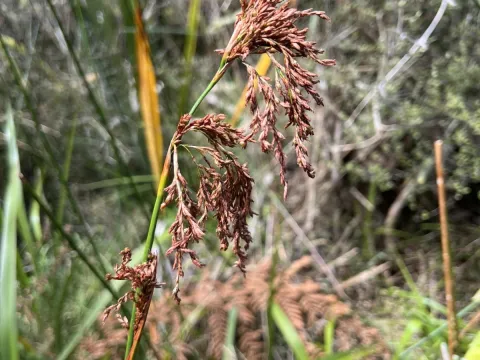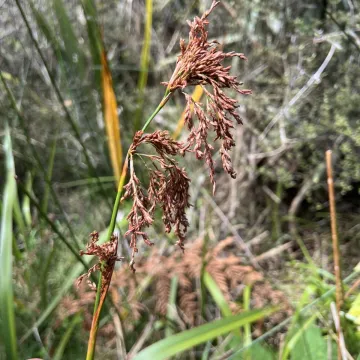
Cladium articulatum
Cladium articulatum
Description
Cladium articulatum, commonly known as the jointed twig-rush, is a perennial aquatic plant belonging to the Cyperaceae family. It is a robust species that naturally thrives in wetland habitats, forming dense colonies in shallow marshes and flooded areas. In an agricultural context, this plant is increasingly recognized for its utility in biomass production and its role in sustainable ecosystem management.
The native range of this species is primarily concentrated in the tropical and subtropical regions of the Americas. It is highly adapted to environments with water-saturated soils and fluctuating water levels. Its natural distribution demonstrates a high level of resilience in nutrient-rich marshy landscapes, making it a viable candidate for cultivation in similar wetland reclamation projects.
Botanically, Cladium articulatum is distinguished by its erect stems which feature distinct joint-like segments. The leaves are characteristically stiff and possess serrated margins, reflecting its classification within the sedge family. The underground rhizome system is expansive, allowing the plant to spread aggressively and stabilize loose, waterlogged substrates effectively.
Cultivation requires specific attention to hydrological management. The soil must be consistently wet, ideally consisting of silt or organic-rich muck to support the rapid growth of the rhizomes. While the plant is hardy in its native warm climates, intensive production requires the maintenance of consistent water depths to ensure maximum biomass yield and prevent the development of stunted growth forms.
- Sustainable biomass production for fiber.
- Phytoremediation of municipal wastewater.
- Erosion control in wetland agricultural zones.
- Ornamental value in large-scale landscape design.
Disease management primarily focuses on preventing fungal infestations that can occur in stagnant, low-oxygen water conditions. Crop health is maintained through proper water circulation and periodic thinning of the stands to prevent overcrowding. Pest issues are relatively minimal, though periodic monitoring for stem-boring insects is recommended to preserve the integrity of the harvestable stalks.
Photo gallery