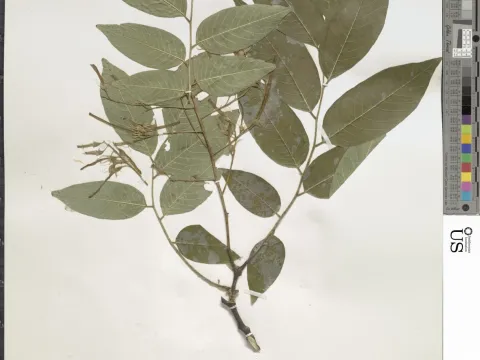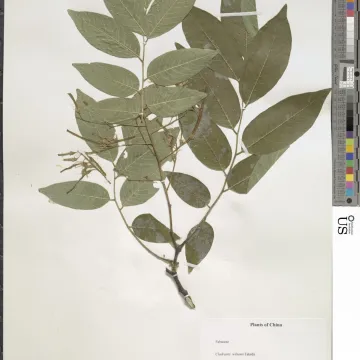

Wilson yellowwood
Cladrastis wilsonii
Description
Wilson yellowwood (Cladrastis wilsonii) is a beautiful deciduous tree belonging to the Fabaceae family. It is highly valued in horticulture for its graceful form and stunning displays of fragrant, white-to-cream flowers that drape from the branches during late spring and early summer.
The tree is native to China, where it grows in forested mountain regions. In cultivation, it has found a home in various temperate gardens globally, favored by arborists and landscape architects for its elegant structure and hardiness once established in suitable growing conditions.
Botanically, this species is defined by its smooth, grey bark and pinnate leaves that add texture to the garden throughout the growing season. The inflorescences appear as pendulous racemes, which are characteristic of many legumes, creating a spectacular visual effect when the tree is in full bloom.
To ensure healthy growth, the tree requires well-drained, fertile soil with a neutral to slightly acidic pH. It thrives in full sun but can tolerate partial shade in hotter climates. Regular maintenance involves light pruning to shape the canopy and consistent moisture levels, especially during the first two years after transplanting.
In terms of usage, it serves as an excellent specimen tree for parks and private estates. While generally hardy, Wilson yellowwood is relatively free from severe pests and diseases. Gardeners should monitor for common issues such as aphids or fungal leaf spot, which can be managed with standard horticultural practices if they occur.
Photo gallery